
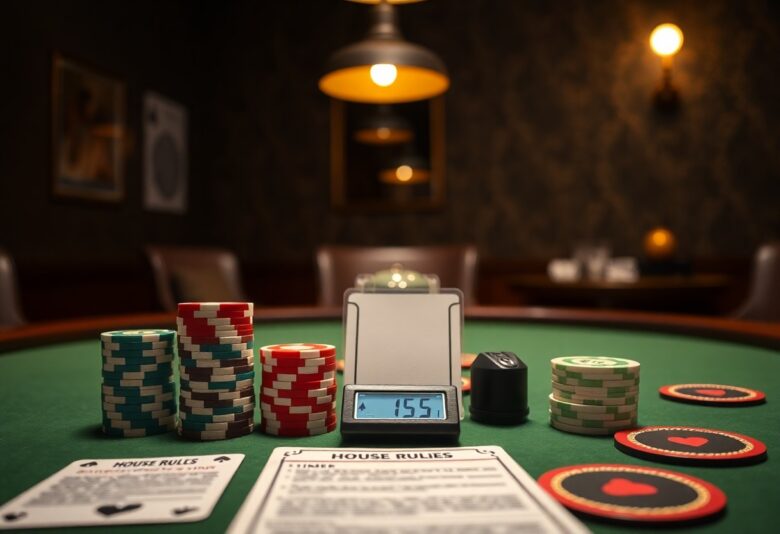
Just establish and enforce clear written rules-including blind structure, buy-ins, payouts and dealer rotation-so every player understands expectations; pair that with strict anti-cheating measures (no sleight-of-hand, phone use limits) to avoid disputes, and foster a welcoming atmosphere with time limits and friendly penalties; balance fairness with fun by explaining etiquette, keeping stakes appropriate, and announcing rule changes before play begins.
Understanding Different Types of Poker Games
| Texas Hold’em | 2-10 players; community cards; most common home format; often no-limit, producing high variance and large pots. |
| Omaha Hi | 4-10 players; four hole cards (use exactly two); typically pot‑limit, increasing drawing hand frequency and action. |
| Seven‑Card Stud | Up to 8 players; no community cards; usually fixed‑limit, rewards card‑tracking and disciplined play. |
| Razz (Lowball) | Up to 8 players; low hand wins; fixed‑limit format introduces distinct strategic adjustments for lowball play. |
| Mixed Games (HORSE) | Rotating rounds (Hold’em, Omaha, Razz, Stud); ideal for experienced groups testing all‑around skill and adaptability. |
- Match poker games to group size: Hold’em (2-10), Stud/Razz (up to 8), Omaha (4-10).
- Consider betting structure: no‑limit = big swings, pot‑limit = controlled aggression, fixed‑limit = steadier bankrolls.
- Rotate formats for variety or run a mixed games night for advanced players.
- Document rules and penalties to prevent disputes and collusion.
Popular Variants
Texas Hold’em dominates home tables (2-10 players, often no‑limit), while Omaha (four hole cards, usually pot‑limit) creates more big‑hand scenarios; Seven‑Card Stud suits smaller, attentive groups; Razz offers lowball strategy, and mixed formats like HORSE rotate for skill depth-expect different pacing, stack needs, and variance per variant.
Choosing the Right Game for Your Group
Gauge player experience, time and risk tolerance: casual groups prefer Texas Hold’em for simplicity, action seekers gravitate to Omaha, and experienced players like HORSE or Stud; set buy‑ins at 20-50% of typical bankrolls, pick blinds to match session length, and state table rules clearly to minimize disputes.
Run a short, low‑stakes trial (5-10 hands) to test timing and comfort, rotate dealers to share responsibility, set blind increases (e.g., every 15 minutes) and decide on raise caps when using limit structures; enforce penalties for rule breaches and collusion. The low‑stakes trial night reveals timing issues and player preferences efficiently.
Key Factors for Hosting a Successful Home Game
Set firm standards: post written house rules, a clear blind schedule, and transparent payouts; limit tables to 6-10 players, rotate dealers, and assign a sober host to handle disputes. Use 15-minute blind levels for tournaments and common cash stakes like $1/$2 to keep play consistent; supply two decks and quality chips to maintain pace and integrity. Any disputes should be resolved by the pre-announced rulebook or majority vote.
- house rules
- buy-ins
- blind structure
- player etiquette
- game setup
- fair play
Player Etiquette
Enforce punctuality, a short decision clock (30-60 seconds per action), and a no-phone policy at the table to prevent slow play and information leaks; require players to protect their chips and not discuss live hands, with penalties for string bets or acting out of turn. Tip the dealer when applicable and set a 5-10 minute grace for late arrivals to keep the night on schedule and respectful.
Game Setup and Environment
Provide a sturdy table that fits 6-10 players, overhead lighting, comfortable chairs, and a visible rule sheet; use two decks and a discard tray for quick shuffles, supply dealer buttons and chip racks, and keep the room at a comfortable temperature to maintain focus. Label a secure cash box and post the blind schedule so everyone can verify stakes and payouts.
For faster tournaments, use 15-minute levels with a common structure such as 25/50 starting blinds and a recommended buy-in range of $20-$100 depending on player groups; for cash games decide on stakes like $1/$2 and a clear re-buy policy. Test seating for a maximum of 10 and position the host near the cash box to deter collusion and ensure quick resolution of any discrepancies.
Essential Tips for Fair Play
Documenting clear poker rules prevents ambiguity: publish the buy-in, blind schedule, time banks (commonly 30-60 seconds), dealer rotation and penalty amounts (e.g., $5 administrative fines). Limit tables to 9 players to keep action moving and enforce a single-deck shuffle protocol to avoid misdeals. Recognizing consistent enforcement of these points prevents disputes and preserves a friendly, legal atmosphere.
- Set clear buy-in and rebuy limits
- Publish the blind structure and time banks
- Rotate the dealer and document penalties
- Keep a simple written rule sheet at each table
Establishing House Rules
Specify precise rulings: define a 30-60 second shot clock, ban string bets, set misdeal procedures (e.g., two misdeals = shuffle & redeal), and clarify how to handle accidental card exposure-common practice is to declare the hand dead or follow a predetermined replacement protocol; state whether side pots allow all-in multiple winners. Enforce with a visible rule sheet and a player signature on entry to avoid confusion.
Managing Disputes
Appoint a rotating three-person panel or a single impartial game manager to rule on disputes within 5 minutes, pause the clock, and rely on witness statements and any available video; typical fines range $5-$20 for intentional breaches. Use majority vote for final decisions and document rulings in a log to prevent repeat issues.
For complex incidents-like exposed cards, chip-count disagreements, or suspected collusion-follow a written escalation path: preserve evidence (photos/videos), separate involved players, recount chips publicly, and consult the rule sheet before voting; for example, in a 2019 home series a written log and video review overturned an initial ruling and returned $150 in disputed chips, demonstrating why consistent procedure and documentation matter.
Step-by-Step Guide to Organizing a Game Night
| Step | Action / Example |
|---|---|
| Invitations | Invite 6-10 players, set RSVP 48 hrs, state buy-in ($20-$50) and start/end times |
| Stakes & Format | Decide cash (e.g., $1/$2) or tournament (15‑min levels, 1,500 starting chips) |
| Table Setup | 8‑seat table, 200 chips per player recommended, good lighting, side drink table |
| House Rules | Print rules, enforce ID for age limits, assign dealer rotation or hire one |
Preparing Invitations
Send invites stating buy-in amount, start time, RSVP deadline (48 hours), seat limit and format; for example, “$30 buy-in, freezeout tournament, 7 PM start, max 8 players.” Include a short rule list and a contact for questions, note any age or location restrictions, and request confirmations to avoid late no‑shows-aim for a 10-15% backup guest list if someone cancels.
Setting Up the Game Area
Position an 8‑seat table with comfortable chairs, 300-500 chips total (roughly 40-60 per player), clear overhead lighting (400-800 lumens per seat), and a separate side table for drinks and cash; keep glassware away from the felt to prevent spills and label a visible spot for the prize pot or cash box.
Also provide a small table for phone charging and a printed blind/timer sheet (e.g., 15‑minute levels), supply spare decks and a shoe or shuffler if available, and place coasters and napkins to minimize spill risks; clearly post house rules on an 8.5″x11″ sheet so disputes are settled quickly and play stays smooth.
Pros and Cons of Home Game Poker
| Pros | Cons |
|---|---|
| Flexible rules and formats-cash, turbo, or 6-10 player tournaments | Legal risk if you take a rake or run games for profit in regulated areas |
| Lower costs-often no room rake or only small flat contributions for snacks | Frequent disputes over blinds, dealer mistakes, and pot counts without strict procedures |
| Friendlier, social environment that helps newer players learn quickly | Higher risk of collusion or cheating when oversight is informal |
| Convenience of scheduling nights to fit your group and location | Limited seating, lighting, or comfort can affect concentration and play quality |
| Customizable stakes and buy-ins (common ranges: $20-$200) | Large bankroll swings possible at higher stakes and inexperienced tables |
| Ability to experiment with variants and house rules | Host responsibility for enforcement, refunds, and handling conflicts |
| Privacy-no cameras or public exposure for casual groups | Liability concerns if large cash disputes or injuries occur on premises |
| Control over timing (15-30 minute blinds, 30-60s time banks) | Informal payout structures can cause disagreements without written terms |
Advantages of Playing at Home
Home games let hosts tailor every detail: choose formats, set buy-ins (typically $20-$200), and run blind levels like 15-30 minutes with 30-60 second time banks, often eliminating the 5-10% room rake-saving players money. Smaller fields (6-10 players) create more action per orbit, and the relaxed environment makes it easier to teach strategy, run study sessions, or trial mixed-game formats without venue restrictions.
Potential Challenges to Consider
Hosts face several risks: charging a percentage or operating regularly can trigger regulatory scrutiny and even fines, so avoid appearing to run a business; additionally, disputes, collusion, and cash handling mistakes are common without written rules and reliable procedures, making clear enforcement and limits crucial for safety and fairness.
Mitigate problems by publishing written rules and blind schedules, rotating dealers, logging big hands with a phone app or camera, and keeping buy-ins modest. Many hosts collect a nominal snack fee ($1-$5 per player) instead of a rake, cap table size at 9 or 10, require ID for age verification, and appoint a neutral arbiter for disputes to minimize legal and social exposure.
Conclusion
With these considerations, a successful home poker game depends on clear, written house rules, transparent stakes and payouts, consistent dealing and chip-handling, fair dealer rotation, and calm, impartial dispute resolution; enforcing etiquette and responsible play preserves player trust and enjoyment while straightforward record-keeping and open communication ensure games stay fun, safe, and professionally run.
FAQ
Q: How should I set stakes, buy-ins, and blind structure for a fair and enjoyable home poker game?
A: Decide up front whether you’re running a cash game or a tournament and post the format, stakes, buy-in range, and payout structure before play begins. For cash games set a clear minimum and maximum buy-in (commonly 20-100 times the big blind) and define whether players may top up between hands. For tournaments state the starting stack, blind schedule and level length, rebuy/add-on rules, and when late entry closes. Use a progressive blind or timed structure that matches session length (e.g., 15-30 minute levels for a casual night). Announce any house fee or rake and how it’s collected. Provide a printed or digital rulesheet so everyone agrees to the same terms before chips are exchanged.
Q: What practices keep dealing and chip handling honest and transparent?
A: Use a clear dealer/button rotation and require each hand to use the same deck or a fresh deck when appropriate; shuffle and cut in plain view. If you rotate dealers, have the dealer sit out the hand to their right until they receive the button to avoid confusion. Use an electronic or physical dealer button and a burn/cut card for safety. Count and distribute chips at buy-in in front of the table, and require any pot claims to be called verbally before cards are mucked. For bigger stakes consider an automatic shuffler or a dedicated paid dealer to reduce human error. Make misdeal, exposed-card, and betting-error procedures explicit on your rulesheet so rulings are consistent.
Q: How do I handle disputes, etiquette, and players new to poker without disrupting the game?
A: Provide a short pre-game orientation that covers table etiquette (no slow-rolling, don’t give strategic advice during hands, phone usage rules), the dispute-resolution method (majority vote, host as final arbiter, or an appointed rules officer), and basic procedures for showdowns and side pots. Encourage newcomers by offering a brief coaching break or a low-stakes seat and pairing them with patient players. Enforce time limits for decisions (e.g., 30-60 seconds) and set penalties for repeated infractions after a warning. Schedule regular breaks, keep food and drink rules clear to protect cards and chips, and maintain a friendly tone so disputes are resolved quickly and the focus stays on playing.