

How reading people turns a risky bluff into a profitable play
When you bluff successfully, you don’t rely on luck — you exploit how other players think and react. Poker is a game of information asymmetry: you hide your cards and reveal behavior. If you understand what opponents expect to see and how they process uncertainty, you can shape their decisions. This section helps you recognize the mental shortcuts players use at the table so you can make bluffs that look natural.
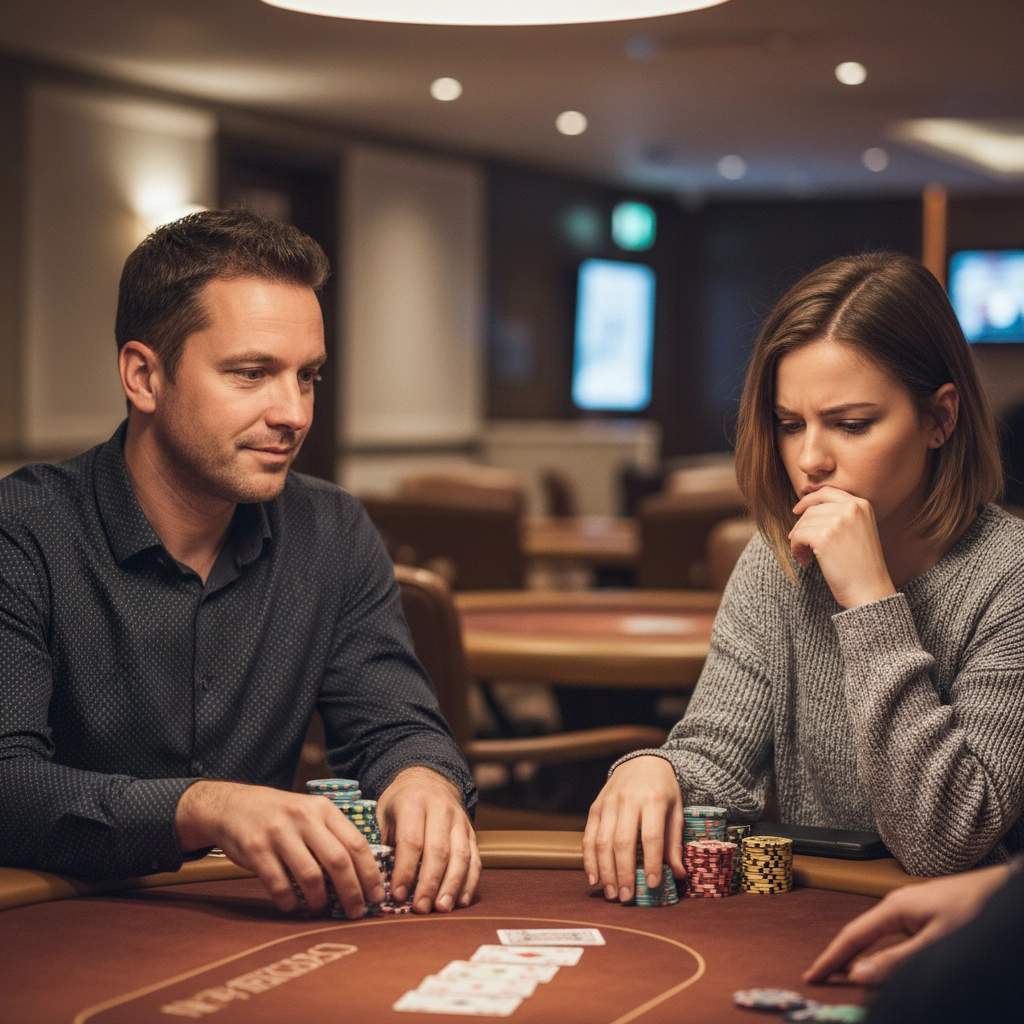
Players typically use a mix of observable cues and simple heuristics to estimate hand strength: bet size, timing, eye contact, facial micro-expressions, and recent history with you. Many players also overweight recent events (recency bias) and underweight base rates, so a single successful bluff can cause someone to give up more easily on later streets. You should look for these cognitive tendencies and apply pressure where they are strongest.
Key opponent states and how to exploit them
- Tilt and emotional shifts: Players on tilt make prepotent, emotionally driven choices. When an opponent is frustrated, they’re more likely to call down with marginal hands. Bluff sparingly against visibly tilted players and prefer value plays instead.
- Passive versus aggressive profiles: Passive players call more often and fold less to betting aggression that doesn’t match board texture. Aggressive players will pay you off or lead into you; against them, bluffs must tell a coherent story (e.g., consistent betting from preflop to river).
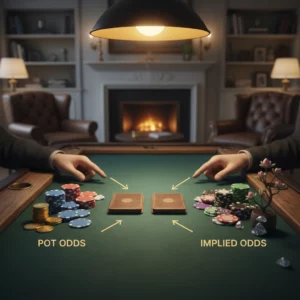
- Stack size and pot odds: Short-stacked players often fold marginally if the pot odds don’t justify a call. Deep-stacked opponents may chase for implied odds. Use stack dynamics to calculate the likelihood of a fold before you bluff.
- Table image and history: If you’ve been caught bluffing recently, opponents adjust. Conversely, a tight image increases fold equity. Keep mental notes and adapt your bluff frequency to your current image.
Reading the room also means monitoring nonverbal behavior. Look for hesitation, rapid glances at chips, or breathing changes. These are not infallible but are valuable when combined with betting patterns and game context. Your goal is not to decode every signal perfectly but to stack multiple indicators so the odds of success tilt in your favor.
Control your own signals: timing, bet sizing, and keeping a consistent story
Bluffs are only convincing when your own behavior matches the story you’re telling with the chips. You must manage three primary elements: timing (how quickly you act), bet sizing (how much you put in), and consistency across streets (how your actions align from preflop to river). When these elements are coherent, opponents have fewer reasons to doubt your representation.
Practical habits to make your bluffs believable
- Normalize your timing: Vary your timing broadly in non-meaningful spots so opponents can’t link a pause to strength or weakness. When bluffing, avoid a sudden, out-of-character change in speed unless it fits the story (e.g., thinking long to feign consideration).
- Match bet sizing to the narrative: Use bet sizes you would make with strong hands in that situation. Large overbets without precedent can look suspicious; conversely, too-small bets offer incorrect pot odds and invite calls. Decide on a default sizing plan and stick to it.
- Mirror previous lines: If you’re representing a made hand, your preflop and flop actions should align with that representation. A river bluff that contradicts earlier behavior is easy to call out. Consistency builds credibility.
- Control facial and vocal tells: Keep baseline expressions and breathing steady. Practice neutral reactions as part of your routine so exceptions become meaningful and rare rather than habitual.
- Use forced errors sparingly: Small, intentional mistakes (like checking when you’d usually bet) can create a false image, but overusing them trains opponents. Plan false notes deliberately and infrequently.
Finally, plan your bluffs with exit options in mind. Decide beforehand when you’ll give up and how you’ll adjust if an opponent fights back. Bluffing is a dynamic process: even the best-read plays need contingencies when the table reacts unpredictably.
Now that you understand how opponents form judgments and how to control your own signals, the next section will show specific bluff types, timing windows, and examples you can use to convert these psychological insights into practical in-game strategies.
Common bluff types and when to deploy each
Not all bluffs are created equal. Each bluff type serves a different psychological purpose and fits distinct table contexts. Choose the one that aligns with the story you need to tell and the opponent states identified earlier.
- Continuation bet (c-bet) bluff: Your most frequent tool. You carry the initiative from preflop and represent a wide range of strong hands. Use against players who give up to pressure on the flop or those who respect preflop aggression. Size: commonly 40–70% of the pot depending on board texture and field tendencies. On dry boards go smaller; on dynamic boards go larger to charge draws.
- Semi-bluff: Bluff with a drawing hand that can improve. This combines fold equity with genuine equity if called. Semi-bluffs are ideal versus players who can fold marginal made hands but will often call down with weak pairs. Semi-bluffing on the turn is especially potent: you apply pressure while retaining outs for the river.
- Double- and triple-barrel bluffs: Apply sustained narrative pressure across streets. Use these when opponents are capable of folding but need a coherent escalation to believe you. Each additional barrel must be consistent with the story of a made hand (e.g., board texture becoming scarier). Avoid triple-barrels indiscriminately—reserve for opponents who are risk-averse or when you hold key blockers.
- Check-raise bluff: A high-impact, high-risk move that polarizes you immediately. Effective against aggressive players who continuation-bet thinly; it exploits their tendency to fold when met with strong resistance. Use when you expect one bettor to be pressured into a check or when you can credibly portray a big hand.
- Squeeze and steal plays (preflop): Aggressive three-bets or squeezes can pick up pots outright or isolate callers into making mistakes postflop. Steals and re-steals are psychological: you pressure players who discount your range or who avoid committing against a perceived strong reraiser.
- River polarization and blocker-based bluffs: On the river, choose polarized lines (either a very strong hand or a pure bluff). Blockers—cards in your hand that reduce the probability of opponents holding the nuts—make river bluffs more credible. An ace or king blocker is a practical reason some opponents will fold when you jam the river.
Street-by-street timing: examples and decision points
Each street presents different decision thresholds for bluffing. Here are practical frameworks and concrete examples to convert theory into in-game choices.
- Preflop: Ask whether your raise or three-bet tells a consistent story for the flop you imagine. A late-position raise often represents a wide range, so a c-bet on a safe flop looks natural. Squeeze preflop against multiple limpers when the original raiser is weaker or passive.
- Flop: The first real test of your narrative. If you continuation-bet and opponents fold, you win the pot immediately. Example: You raised from the cutoff and c-bet 50% of a K-7-2 rainbow flop; the small sizing pressures lone callers who missed. If called, reassess equity and the opponent’s tendencies before barreling the turn.
- Turn: Decide whether to double-barrel based on how the turn changes the board texture and the opponent’s likely range. Example: On a J-8-3 flop you c-bet and face a call. A blank turn (2♣) strengthens your story—bet ~60–80% pot to continue representing a made hand. If the opponent showed weakness earlier, consider a push here.
- River: The decisive moment. Only bluff when the narrative has been intact and when you have blockers or know the opponent’s folding threshold. Example: You’ve been representing an ace-high line and the river brings a harmless 4♠; a polarized river bet (80–120% pot, or an overbet shove in heads-up situations) can push off hands like Kx or missed draws.
Always set a stop-loss for a bluff: if you face unexpected resistance (large raises, consistent aggression from a typically passive player, or a read that your story doesn’t fit), be prepared to fold. Good bluffers plan exits as much as entries.

Advanced layered deception: blockers, balancing, and table narratives
At higher levels, bluff success depends less on isolated moves and more on creating uncertainty across sessions. This is where blocker utilization, range balance, and long-term narrative construction become decisive.
- Blockers and selective exposure: Use hands that remove key opponent holdings from their range. Holding an ace on a potential nut-card river reduces the frequency of opponents having the best hand—making your bluff more likely to succeed. Choose these hands as your river-bluff candidates.
- Balancing and frequency control: If you never bluff in a spot, observant opponents will adjust. Mix genuine bluffs into your line at a frequency that makes calling marginally profitable for your opponents but not easily exploitable. In practice, this means occasionally making unexpected bluffs in otherwise value-heavy spots and vice versa.
- Session-level narratives: Build table history intentionally. A few well-timed bluffs early can create a loose image to exploit later with big value hands; conversely, tightening for a stretch can allow for more credible bluffs afterward. Use small, deliberate false notes to shape future perceptions, but don’t let the fake image become predictable.
- Adapting to countermeasures: If opponents start calling down more, reduce bluff frequency or shift to blockers and semi-bluffs. If they fold too often, increase aggression. The most successful bluffers are dynamic strategists who read the table’s learning curve and adjust their deception accordingly.
Mastering bluffing is as much about psychology over time as it is about the single hand. Layer your tactics—blockers, balanced frequencies, and session narratives—to keep opponents guessing and to turn perceived risk into repeatable profit.
Practice drills and final pointers
Turn theory into habit with focused practice. Use these simple drills to sharpen timing, sizing, and reads:
- Review one session per week and mark hands where you considered a bluff—note why you chose to bluff or fold.
- Run size-variation exercises: replay the same hand and experiment with 40%, 70%, and 100% pot sizes to see opponent reactions.
- Isolate one opponent type per session (e.g., calling station, tag, nit) and practice specific bluff lines against them to build pattern recognition.
- Practice blocker-based river bluffs with training tools or in low-stakes games to internalize which holdings make bluffs more credible.
Closing strategy notes
Bluffing is a disciplined craft—it rewards patience, honest self-review, and incremental adjustments. Protect your bankroll, pick spots that match your image and the table dynamic, and let data and repeated practice refine when you push or fold. For deeper drills and examples you can apply at the tables, see Upswing Poker.
Frequently Asked Questions
When is bluffing most likely to be costly?
Avoid bluffing in multiway pots where fold equity is low, against players who call down light, or when your betting story would be inconsistent with earlier actions. Also be careful when you lack blockers or when the board strongly favors made hands—those factors reduce the chance of success.
How do I choose between a semi-bluff and a pure bluff?
Choose a semi-bluff when you have meaningful equity (draws or backdoor outs) so you can win by showdown if called. Opt for a pure bluff when your narrative is coherent, you hold blockers, and you estimate the opponent’s folding threshold is within your bet-sizing range.
How should I adjust bluff frequency against observant opponents?
Reduce blatant bluff frequency and increase selective, blocker-based bluffs to remain unpredictable. Mix in occasional unexpected bluffs and value hands to keep opponents guessing, and lean more on semi-bluffs where you retain equity if called.