

How live-game bluffing creates real fold equity — and why many players get it wrong
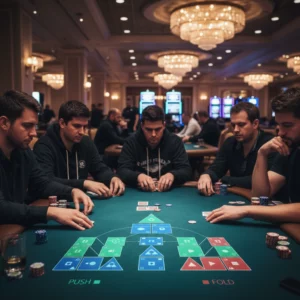
Bluffing in live poker is a skill that goes beyond memorized lines and screen-based tells. In a live environment you’re trading on human psychology, timing, physical presence and table history. When you bluff well, you don’t just win individual pots — you reshape opponents’ decision-making in your favor going forward. When you bluff poorly, you hand them a blueprint to exploit you for hours.
You’ll get the best results when you treat bluffs like investments: you assess the likelihood of a payoff (fold equity), manage the risk (stack dynamics and future action), and craft a believable story from preflop through the river. This first part focuses on the essentials you must control before pulling the trigger: your table image, position, stack and blockers, plus the foundations of sizing and timing that make a bluff credible in-person.
Setups that make bluffs believable: table image, position and stack dynamics
Control the narrative with your table image
Your table image is the single most powerful lever in live-game bluffing. Are you seen as loose and aggressive, tight and disciplined, or somewhere in between? Opponents will automatically apply a mental weighting to your bets based on that image. Use it intentionally:
- If you’ve been playing tight, a sudden large continuation bet will be viewed as stronger than the same bet from a habitual raiser — perfect for stealing a pot.
- If you’re perceived as aggressive, occasionally mixing in a genuinely strong slow-played hand will keep others guessing; that ambiguity gives your bluffs more credence.
- Adjust your actions to the table’s memory: if players are observant and long-stacked, lean on smaller, more frequent bluffs that don’t demand big showdowns.
Exploit position and seat dynamics
Position is a bluffing multiplier. When you act last, you gain free information and control the final price that opponents must pay to continue. Use position to pressure medium-strength ranges rather than trying to force out only the weak hands.
- Late-position bluffs: target players who open limp/raise ranges that contain many medium-strength hands.
- Isolation bluffs: when players make small opens out of late seats, a raise from the button or cutoff can fold out marginal hands without a single showdown card.
- Avoid big bluffs from early position unless you have a specific read; the risk/reward is rarely favorable live because opponents behind you can easily call with a wide range.
Technical foundations: blockers, bet sizing and timing that sell the story
Use blockers and range awareness to choose your bluff spots
Blockers — cards you hold that reduce the probability opponents have certain strong combinations — are practical tools for live bluff selection. For example, holding the ace of a suit on a coordinated board makes strong two-pair or nut-flush combinations less likely for your opponent.
- Target boards and opponents where your blockers reduce the nuts: an ace on a K-Q-9 board or a high spade on a two-spade texture are classic examples.
- Consider your perceived preflop range. If you opened from the button, opponents are already discounting some strong two-pair combos; your blocker value increases.
Bet sizing and timing: craft consistency across streets
Your sizing should tell a coherent story from preflop to river. Live players are surprisingly sensitive to deviations in rhythm and amount. Follow these practical rules:
- Size to fold equity, not vanity: pick amounts that pressure the specific calling ranges you want to fold rather than arbitrary big numbers.
- Keep proportionality: maintain logical progression (e.g., a strong c-bet on the flop followed by a plausible turn sizing). Sudden huge increases can read as nervousness or desperation.
- Timing matters: deliberate, confident timing suggests strength; jittery, rushed actions suggest weakness. If you’re bluffing, match the timing you’d use with a real strong hand.
Combine blocker awareness with position and sizing, and you’ll increase the perceived strength of your line — which is the whole point of a successful bluff. In the next part you’ll learn how to read live tells, classify opponent types, and choose the exact moments to carry those bluffs across multiple streets.

Reading live tells that actually move the needle — patterns, not isolated cues
Live tells are seductive. Everyone wants a single tell that screams “fold.” The reality is messier: individual gestures rarely mean much on their own. What matters is pattern recognition — baseline behavior and meaningful deviations from it. Treat tells as noisy signals that gain value when combined with betting patterns, timing and table history.
- Establish a baseline quickly. For the first few orbits, watch how each opponent behaves with weak hands versus strong hands. Does Player A talk more when they’re bluffing? Do they stare down the table with strong hands? That baseline is your context.
- Look for deviations, not absolutes. A player who normally stares at their chips but suddenly avoids eye contact while making a big bet is giving you a deviation. Deviations are where meaningful information lives.
- Cluster tells with action. Timing tells, facial expressions and body language become credible when they align with betting behavior. A rushed shove followed by frantic chip fiddling and a snap call on the river from your opponent is a different story than any of those behaviors alone.
Key tells that pay in live games:
- Timing shifts: An opponent who usually tank-calls suddenly snaps to call a large bet—often shows strength. Conversely, the habitual quick caller pausing before a bet can indicate decision-making pain (weakness or strong consideration).
- Chip handling and bet placement: Confident players place chips neatly and with rhythm. Shaky, off-center or hesitant bets often accompany bluffs, especially from inexperienced players.
- Verbal behavior: Overly chatty players sometimes talk to mask nervousness; sudden silence after being engaged is a red flag. But beware reverse psychology—seasoned players use talk to manipulate.
- Physical comfort: Leaning forward and breathing changes can show excitement or stress; again, compare to baseline.
Use tells as supporting evidence — not the core of your bluff decision. If a tell aligns with range analysis, blockers and sizing logic, it increases the chance your bluff will succeed. If it contradicts those fundamentals, fold the emotion-driven read.
Classify opponents quickly — tailor your bluff frequency and line
Effective bluffing is opponent-specific. Spend your first few hands slotting players into practical categories and adjust your strategy accordingly. Here are common live archetypes and how to attack them:
- Calling Station (Sticky): Rarely folds postflop. Bluffing here is a waste unless you can isolate preflop and force a fold before a flop. Strategy: reduce bluff frequency; focus on value-betting thinner.
- Tight/Passive (Rock): Folds too often to pressure. Strategy: increase bluff frequency from position, use smaller sizings to exploit tightness, and single-barrel frequently since they fold on turn pressure.
- Thinking Reg (Balanced): Uses timing and sizing well, adjusts quickly. Strategy: pick the best structural edges — blockers, position and well-timed sizings. Bluff less often; when you do, make the story flawless across streets.
- Maniac/Aggro: Bets and raises wide, unpredictable. Strategy: use check-raises and trap lines rather than large bluffs; they give you fold equity rarely, but you can induce bluffs from them to exploit.
- Recreational Wildcard: Inconsistent awareness and emotional play. Strategy: patience. They’ll make mistakes; focus on exploiting tilt and predictability when they’re on a run.
Adjust your sizing and line according to category: tiny pressure bets to steal pots from rocks, credible multi-street aggression to wear down thinking regs, and mostly passive lines against call-happy players. Keep notes mentally (or physically if the stakes allow) so you don’t reset your reads after one hand.
Multi-street commitment: when to barrel, when to fold the story
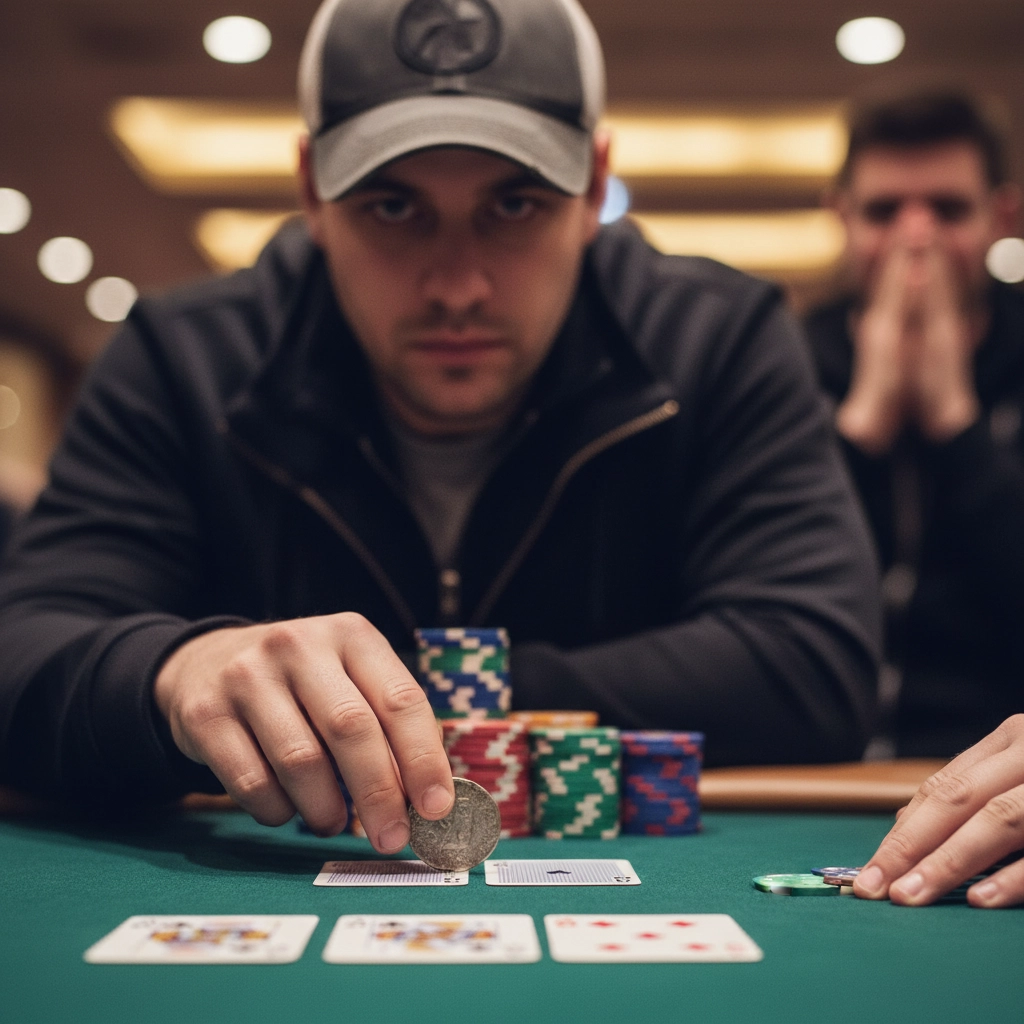
Bluffing across multiple streets is where live game skill separates the pros from the pretenders. The decision to continue barreling should be premeditated — not emotional — and based on five variables: opponent type, board texture, your blockers, pot size/SBR (stack-to-pot ratio), and the story’s consistency.
- Opponent type: Single-barrel against rocks and recreational players who fold to moderate pressure. Double or triple-barrel only when your reads indicate folding frequency increases on later streets (e.g., regs who respect river aggression).
- Board texture and turn card quality: Barrel when the turn either misses likely calling ranges or pairs a card that fits your story (e.g., a turn heart on a board where you represented the flush). If the turn completes obvious draws for your opponent, your bluff equity shrinks.
- Blockers and show-down range: Strong blockers to the nuts increase river bluffing prospects. If you hold the ace of a suit that blocks the nut flush, a river shove is more believable to opponents who fear the nut.
- Size and SBR discipline: With shallow stacks (low SBR), a single large bet can end the hand; with deeper stacks you can credibly represent multi-street strength. Keep proportionality — a 50–70% pot c-bet on the flop stepping to a 60–80% turn and a polarized river sizing is coherent.
- Exit signals — when to give up: Quick calls, sudden aggression (check-raises), or behavior aligning with strong hands should make you reassess. If an opponent snap-calls a turn that normally induces folds, your fold equity may be gone; abandon the story and preserve your stack.
Example line: you raise from the button, c-bet 55% pot on a dry K-7-2 rainbow, opponent calls. Turn offsuit 4 pairs board and you fire 65% — they tank. If they fold, you successfully pulled off a two-street steal. If they call and the river brings a scare card (two hearts complete), be ready to check and concede unless you hold a credible blocker and a clear read that they’ll fold to river pressure.
Plan your bluff from the first bet. If you’re not willing to continue under realistic turn/river runs, don’t start. The best live bluffs are surgical, story-driven and opponent-aware — executed with the same confident timing and sizing you’d use with a real hand.
Final playbook: discipline, rehearsal and table respect
Bluffing in live games is as much a habit as it is a skill: rehearse your lines, manage tilt, and preserve the discipline to fold when the story falls apart. Train by reviewing hands (notes or phone recordings between sessions), run focused drills on timing and bet placement, and practice building believable multi-street narratives in low-stakes sessions before scaling up. Above all, treat opponents with respect; ethical behavior and consistent composure win far more money long-term than flashy, undisciplined moves. For continued study and up-to-date strategy pieces, consult reliable resources like PokerNews.
Frequently Asked Questions
How quickly should I establish a baseline for opponents at a live table?
A practical baseline can be observed within the first few orbits—watch how each opponent acts with obvious weak and strong hands, their timing and verbal behavior. Use those early patterns as context, then continually update your read as hands accumulate.
When is it correct to abandon a multi-street bluff?
Give up the story when clear exit signals appear: unexpected quick calls that contradict an opponent’s norm, sudden aggression like a check-raise, or behavioral deviations that align with strength. If fold equity has evaporated and continuing risks significant chips without new positive information, fold.
Are live tells reliable enough to base a bluff on?
Not by themselves. Tells are noisy; rely on pattern recognition and cluster multiple cues with betting lines, blockers and position. Treat tells as supporting evidence—use them to tilt your decision when they align with sound range and sizing logic, not as the sole reason to bluff.