


Why bet sizing, position, and value extraction decide your cash-game edge
In cash games, unlike tournaments, stacks and implied odds stay relatively stable hand-to-hand. That stability makes precise decisions about how much to bet and where to act more profitable over time. You can’t rely on blind pressure or tournament dynamics — you must consistently extract value from weaker holdings and protect your own equity when necessary. By mastering the interplay of bet sizing, position, and value extraction, you convert small edges into consistent win rates.
Throughout this part you will focus on core principles that govern optimal choices: how position changes your options, how to choose bet sizes that accomplish specific goals, and how to define “value” in concrete terms. Keep in mind you don’t need perfect math for every decision — you need the right framework so your actions are +EV more often than not.
What each element actually does for your bottom line
- Position: Gives you more information and control, allowing flexible sizing and better bluffing or value extraction opportunities.
- Bet sizing: Communicates range strength, shapes your opponent’s decisions, and manipulates pot odds and fold equity.
- Value extraction: Focuses on getting the maximum expected value from worse hands without bloating pots against better hands.
How acting before or after your opponent simplifies or complicates choices
Position is the single most important practical skill you can develop. When you act last, you see an opponent’s action before choosing your response, which lets you tailor bet sizes and lines to the specific situation. When you act first, you must commit to a plan without that extra information. That difference changes which hands you should play, how you size bets, and whether to steer the hand toward or away from large pots.
Playing from late position: leverage and extraction
From the cutoff or button, you can open a wider range and use smaller, more targeted bets to extract value. Because you will act on later streets, you can start with a sizing that preserves flexibility — for example, a smaller flop continuation bet that lets you barrel more often if the turn improves your perceived range advantage. You can also use position to bluff more effectively: when your opponent checks to you, a modest bet can fold out middle-strength holdings while still getting called by worse hands.
Playing from early position: tightening and protecting
In early position you should be more selective preflop and more cautious postflop. Acting first on later streets means your bets are often used as probes; they should either protect a real made hand or fold out enough equity to justify calling down. When you do bet for value from early position, choose sizes that charge drawing hands appropriately without giving free cards that let multiple turn/river outs catch up.
Practical bet sizing rules that help you extract value without overcommitting
Bet sizing is not arbitrary. Each size should have a clear purpose: to get value, to protect, to charge draws, or to generate fold equity. Use sizing to shape the pot and the opponent’s decisions rather than to hide your intentions. Here are practical rules to follow at the table.
- Match sizing to your goal: Use smaller bets (20–40% of the pot) when you want calls from worse hands or to control pot growth. Use medium bets (40–70%) when you want to charge draws and deny correct odds. Use larger bets (70–100%+) when you want to fold out strong but non-nut hands or when you have near-nut value and expect calls.
- Factor stack sizes: Deep stacks change the calculus — you can bet smaller on the flop to set up bigger barrels later. With short stacks, bet sizes should be more committal because you are closer to all-in decisions.
- Consider opponent tendencies: Against calling stations, prioritize thinner value bets and avoid bluffs. Against nitty opponents, use smaller value bets and more frequent bluffs. Against tricky or balanced opponents, mix sizes to avoid being predictable.
- Protect your range: When your range advantage is high, choose bet sizes that fold out equity from your opponent’s bluffs while still getting called by weaker made hands.
Throughout the hand, think in terms of expected value: does this sizing improve your expected return now and on future streets? Every bet you make should either increase your chance of earning more from worse hands, reduce losses to better hands, or force mistakes from your opponent.
Next you’ll apply these principles to concrete street-by-street decisions — what sizes to use on flop, turn, and river, and how to adjust when facing different opponent types and stack depths.

Street-by-street sizing: flop, turn, and river
Apply the bet-sizing framework to each street with the specific goal you want to accomplish there. Think of the flop as establishing the narrative, the turn as committing or releasing, and the river as the final extraction or surrender. Below are concrete guidelines to make those decisions repeatable and +EV.
Flop: The flop sets the tone. If you have a clear range advantage and want to deny equity to draws, choose a medium size (about 40–70% pot) when out of position and slightly smaller (25–45%) when in position to retain flexibility. On wet boards with many turn/river outs, bias toward larger sizing to charge draws and protect medium-strength hands. On dry boards, smaller c-bets (20–35%) accomplish two things: you get called by worse hands while folding out overcards and you keep the pot manageable when behind.
When you are first to act and have a marginal but proactive hand (e.g., top pair with some vulnerable kicker), favor sizes that price out multiple-card draws — 50–70% on coordinated boards with two-tone or straight possibilities. If you’re defending as the caller, favor check-calling smaller bets with good showdown value and prepare to raise or lead at an appropriate frequency when you have range advantage or strong blockers.
Turn: The turn is where ranges either crystallize or can be pressured off. If your flop sizing was small to retain flexibility, you can now choose a larger turn size if the card is favorable for your perceived range. When barreling as a value-bet on a turn that pairs the board or completes obvious draws, size to charge the likely hands that will continue — 50–80% when you expect draws/medium pairs to call. If you are semibluffing, use sizing that combines fold equity with realistic river plans: don’t bet so large that you cannot reasonably fire again if called and the river is neutral.
Also use the turn to fold equity-test opponents who have shown weakness; a well-sized shove or near-commitment bet works particularly well against opponents who fold to pressure on the turn. Conversely, if your turn bet will create an all-in decision for many medium-strength hands, be confident in your range and blockers before applying that pressure.
River: The river is pure extraction or surrender. Here you should decide whether your range is polarized (nuts or bluffs) or merged (many medium-value hands). Against calling stations, move away from large polarization bluffs and instead make thinner value bets in smaller sizes (35–60%) to keep worse hands calling. Against fold-prone opponents, larger polarized sizing (70%+) maximizes fold equity and may win the pot without showdown.
On the river, blockers matter. If you hold a card that blocks big-value combinations, you can more credibly bet thinner. If your opponent has shown passivity but the board favors them, consider using a blocking bet (small size, 20–30%) to control pot size and gather info. Overbets (100%+ of pot) are tools to extract from hands that will call large amounts or to punish players who overvalue medium hands — use them sparingly and deliberately.
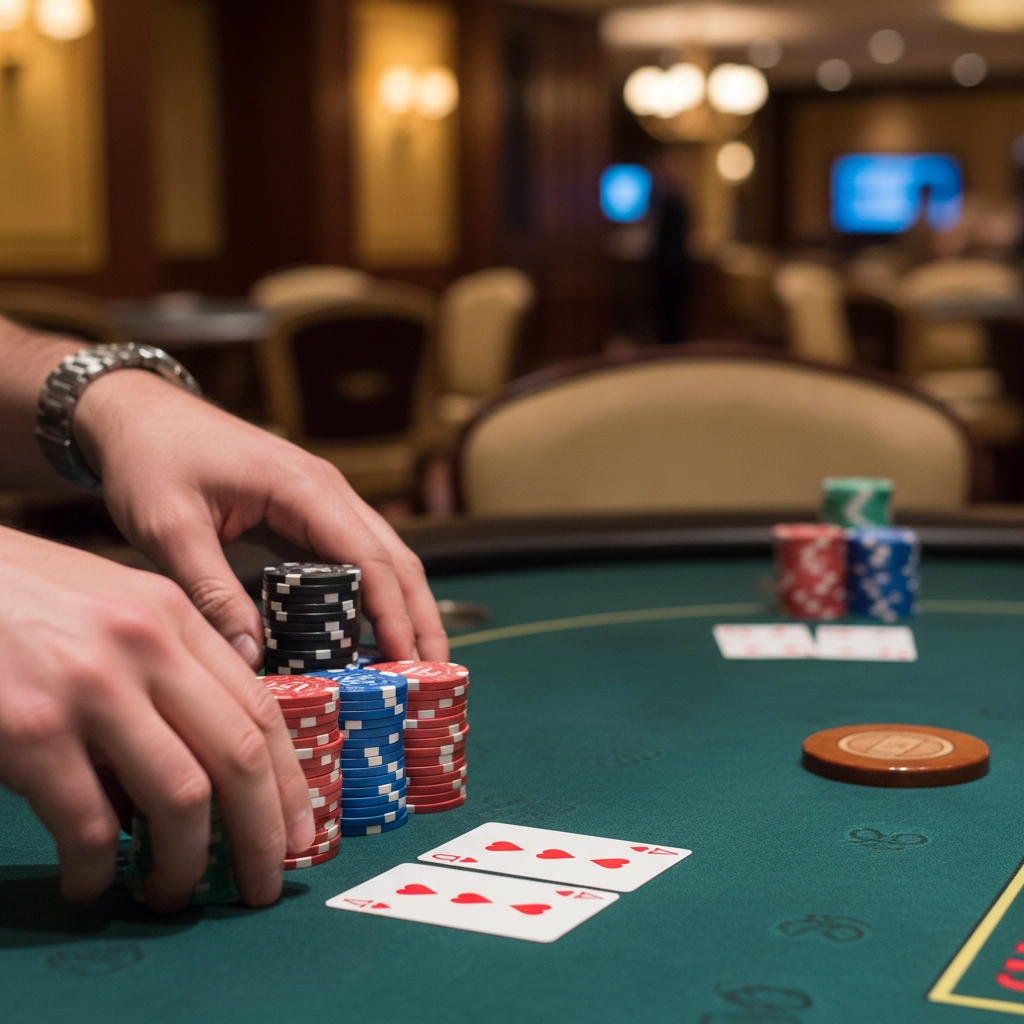
Adjusting for opponent type, stack depth, and in-game dynamics
No sizing plan is complete without opponent- and stack-based adjustments. The same 50% pot bet has different implications versus a calling station, a nit, or an aggressive reg. Read the player and adapt.
- Calling stations: Reduce bluffs and increase thinner value bets. Use smaller sizes to keep marginal hands in the pot. Charge draws with medium sizing because these players will often call with subpar equity.
- Nits/tight players: Use smaller value sizes and more bluffs. These opponents fold too often to pressure, so you can frequently take down pots with lower frequency but well-timed aggression. Make your bluff sizes credible — not trivially tiny, but not so large as to deter fold equity.
- Aggressive/maniacs: Avoid large polarized bets where they might raise light; instead, size for extraction when you have real value and be ready to check-call or check-raise as a bluff-catcher. Against hyper-aggression, lean toward pot control and induce blunders.
- Balanced/regular opponents: Mix sizes and lines. Against players who adjust, you must vary frequency and sizes so your range isn’t exploitable. Use conventional size blends: smaller flops, medium turns, polarized rivers based on board and blockers.
Stack depths: Short stacks (100bb) favor smaller flop bets to keep maneuverability and to maximize implied odds; deep-playable hands and creative multi-street bluffs become more profitable.
Finally, remain sensitive to in-game dynamics: if you’ve just been called down by a particular opponent or they’ve shown a pattern (e.g., folding to turn bets), adjust your frequencies and sizes immediately. The best players continually re-evaluate — small size changes against the right opponents convert theoretical advantages into consistent profits.
Putting It Into Practice
Mastery comes from disciplined application: pick a few sizing principles, practice them deliberately, and review hands to see how opponents react. Keep adjustments simple and objective — base them on opponent tendencies, stack depth, and the story your bets are telling. Over time, this iterative approach will turn theoretical edges into consistent profit. For structured drills and deeper study, consider resources like Upswing Poker.
Frequently Asked Questions
How should my bet sizes differ between flop, turn, and river?
Use the flop to establish a narrative with sizes that balance fold equity and information (smaller on dry boards, larger on wet boards). The turn is the decision point — increase sizing to charge draws or polarize if you’re committed. The river is pure extraction or surrender: polarize when you expect folds or large calls, and size thinner value bets against calling stations. Adjust each street based on range, blockers, and opponent tendencies.
How do I change sizing versus different opponent types?
Against calling stations, reduce bluffs and use smaller value sizes to keep marginal calls. Versus tight players, increase well-timed pressure with credible bluff sizes. Against aggressive opponents, favor pot control and extract when you have clear value, avoiding large polarized bets that invite light raises. Mix sizing against regulars so your range stays unpredictable.
When are overbets or shoves appropriate instead of standard sizing?
Use overbets to extract maximum value from opponents who make large calls or to polarize in a way that forces difficult decisions. Shoves or near-committal bets are appropriate with short stacks or when the turn/river creates a clear fold-or-call spot for many hands. Reserve these plays for spots where you have a strong read, proper blockers, or clear equity/dominance in the matchup.