Why poker attracts celebrities and what that means for you
You probably notice that poker shows up in red carpets, late-night interviews, and movie scenes. For many stars, poker is more than a pastime: it’s a blend of competition, image management, and networking. When you look at why celebrities play, you see incentives that go beyond the felt—ego, publicity, adrenaline, and sometimes a genuine love of the game.
As you follow celebrity poker, keep a few practical lessons in mind. First, the line between public tournaments and private high-roller games is important: televised events are about exposure, while private cash rooms emphasize discretion and much larger swings. Second, celebrities often approach the game with different objectives—some are there for charity and entertainment, others to test themselves against pros, and a few play professionally enough to be taken seriously at big-stakes tables.
Which stars play poker and how they typically enter high-stakes games
Some celebrities gravitate toward televised celebrity events, others toward casino tournaments, and a handful become regulars in private high-stakes cash games. You will find several entry paths into those scenes:
- Charity and celebrity tournaments: These events let you play alongside stars while supporting causes. They are low-pressure ways for celebrities to get exposure without the brutal swings of high-stakes cash.
- Public tournaments and the WSOP circuit: A number of actors and musicians show up at World Series events and regional tournaments, sometimes making deep runs that showcase actual skill rather than spectacle.
- Private high-roller games and underground cash tables: This is where the biggest stakes live. Celebrities who favor privacy or who have significant disposable income often sit in these games; pots can dwarf televised prize pools and the play can be extremely aggressive.
Common celebrity archetypes at the poker table
- The social player: Plays for fun and networking; often present at charity tournaments and celebrity series.
- The hobbyist competitor: Takes tournaments seriously, studies strategy, and occasionally competes in open events.
- The high-stakes risk-taker: Joins private games or high-roller events and is comfortable with large bankroll swings.
Examples you can study and what they reveal
Names frequently associated with celebrity poker cover a range of approaches: some are regulars in private games, others appear mainly on TV or at charity events. One clear case of crossover credibility is a celebrity who won a World Series of Poker bracelet—an achievement that signals both dedication and skill. Meanwhile, social-media personalities and well-known entertainers sometimes become synonymous with huge private cash pots, showing how visibility and wealth push up the stakes.
As you explore these players, observe two recurring themes: how they manage risk (do they bring big buy-ins or sell action?) and how they balance publicity with discretion. These patterns will help you understand the incentives that shape celebrity poker culture and how the stakes can escalate quickly.
Next, you’ll look closer at specific high-stakes tournaments and private game structures where celebrities sit for the largest pots, and you’ll analyze a few famous hands that changed perceptions of star players.
High-roller tournaments and celebrity-friendly events where the biggest pots form
When celebrities step into public tournaments, it’s usually at high-visibility events with big buy-ins and even bigger audiences. The WSOP high-roller flights, Triton Series stops, Super High Roller Bowl-style events, and branded high-stakes festivals draw wealthy amateurs, wealthy celebrities, and top pros into the same field. Those events matter for two reasons: first, the buy-ins filter for players who can afford meaningful risk; second, media coverage amplifies any celebrity success or meltdown, turning one deep run into a lasting reputation shift.
If you’re studying these scenes, watch for structure differences that affect celebrity participation. Single-day super-satellites and re-entry-friendly formats allow stars to test the waters without committing enormous time. By contrast, multi-day high-roller events with deep stacks reward preparation and discipline—advantages pros usually have over casual celebrity entrants. For fans, televised final tables and feature-table streams are the best windows into how stars handle pressure, while live reports and social media give clues about off-table deals and private staking arrangements that often shape final payouts.
Private cash games: structure, action selling, and the code of the room
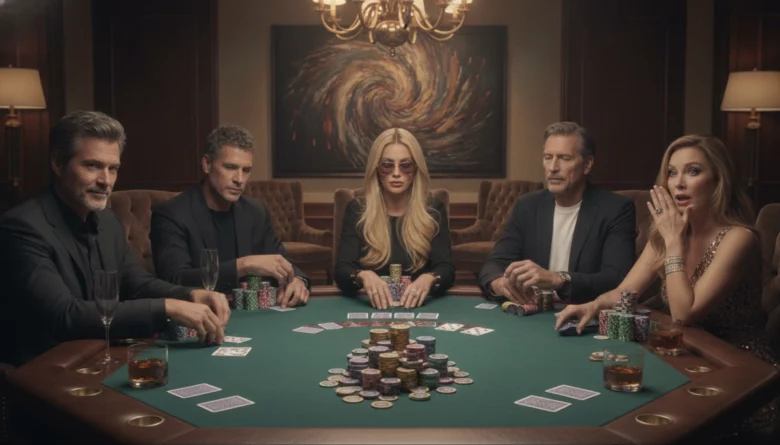
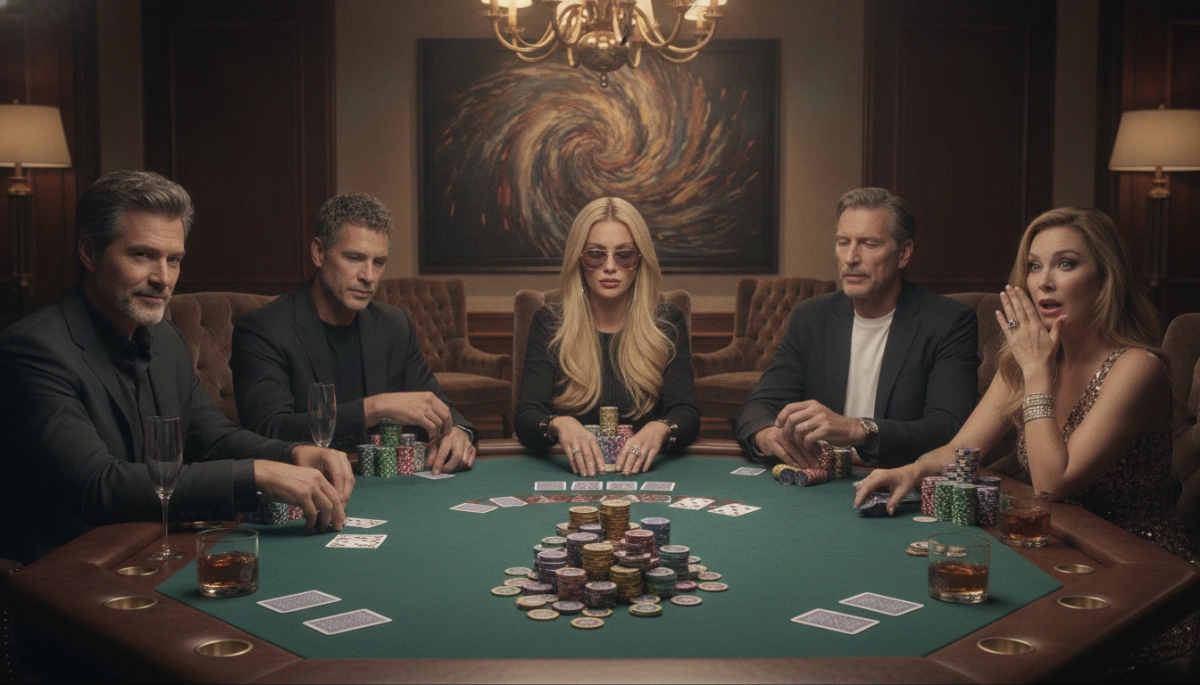
Where the stakes really explode is the private cash game. These are often hosted in VIP rooms or private residences, with blinds that dwarf public-game limits and pots that can climb into seven or eight figures. The format is simple—no tournament clocks, no structured payouts—but the ecosystem around them is complex: staking, action selling, side bets, and informal rules all change how a celebrity’s bankroll is exposed.
Two practical points matter: bankroll management and table image. Many celebrities protect themselves by selling pieces of their action or by bringing a finite bankroll to cap downside. At the same time, reputation and social standing can influence decisions—players who are famous or socially connected may be given more leeway, but they also attract tougher games and sharper opponents. Etiquette and discretion are non-negotiable; the same celebrity who courts publicity on TV will often demand strict confidentiality in a private game. For aspiring players, understanding this culture is key before attempting to join higher-stakes celebrity tables.
Famous hands that reshaped perceptions of stars at the table
A few high-profile hands have permanently altered how the public sees celebrity players. Jennifer Tilly’s 2005 WSOP Ladies Event bracelet is an example of skill overcoming stereotype: her victory signaled that an actor could be a committed, studious player rather than a publicity-seeking amateur. On the other end, several televised cash-table confrontations—where a well-known face called off with weak holdings or misread the texture of a board—have reinforced the narrative that fame and poker skill don’t always overlap.
Beyond individual outcomes, two recurring themes emerge from these moments. First, decisive bluffs or disciplined folds by celebrities earn lasting respect; a single well-timed laydown can redefine a player’s table image. Second, large public losses can be misleading: because celebrity games attract staking and side deals, a headline loss often understates the financial arrangements behind the scenes. When you watch famous hands, focus less on the glamour and more on the decision-making: bet sizing, range thought, and position tell you everything about whether a celebrity is playing like a serious competitor or just along for the ride.
How to learn from celebrity poker without getting distracted
- Watch feature-table streams and pay attention to fundamentals—position, bet sizing, and hand reading—rather than the personality-driven commentary.
- Study reputable tournament footage and analysis; major events like the World Series of Poker archive offer real examples of how pros and serious celebrity competitors navigate pressure.
- Practice bankroll discipline in small-stakes games before chasing the glamour of high-roller tables; celebrity tables often misrepresent the true financial arrangements behind big pots.
- Learn from contrasts: note when a celebrity’s social strategy pays off and when it backfires—both are useful lessons for your own table image and decision-making.
Table etiquette and practical tips if you’re invited to a celebrity game
- Respect privacy and any non-disclosure expectations—discretion is part of the currency in private games.
- Clarify stakes, rules, and whether action selling or staking is allowed before sitting down.
- Maintain composure: celebrities often bring table pressure; calm, consistent play frequently outperforms theatrics.
- Network politely but don’t confuse the social side with strategic play—winning in those rooms still comes down to sound poker decisions.
A final word
Celebrity poker is a mirror: it magnifies the glamour and the pitfalls of the game. Whether you watch for entertainment, study for improvement, or dream of sitting in a high-stakes room, keep perspective—focus on skills, protect your bankroll, and respect the culture of the table. The lights and headlines will come and go; consistent, disciplined play is what endures.