
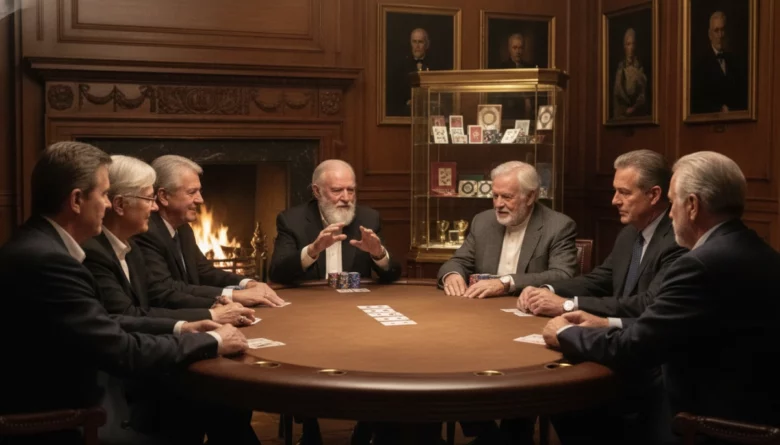
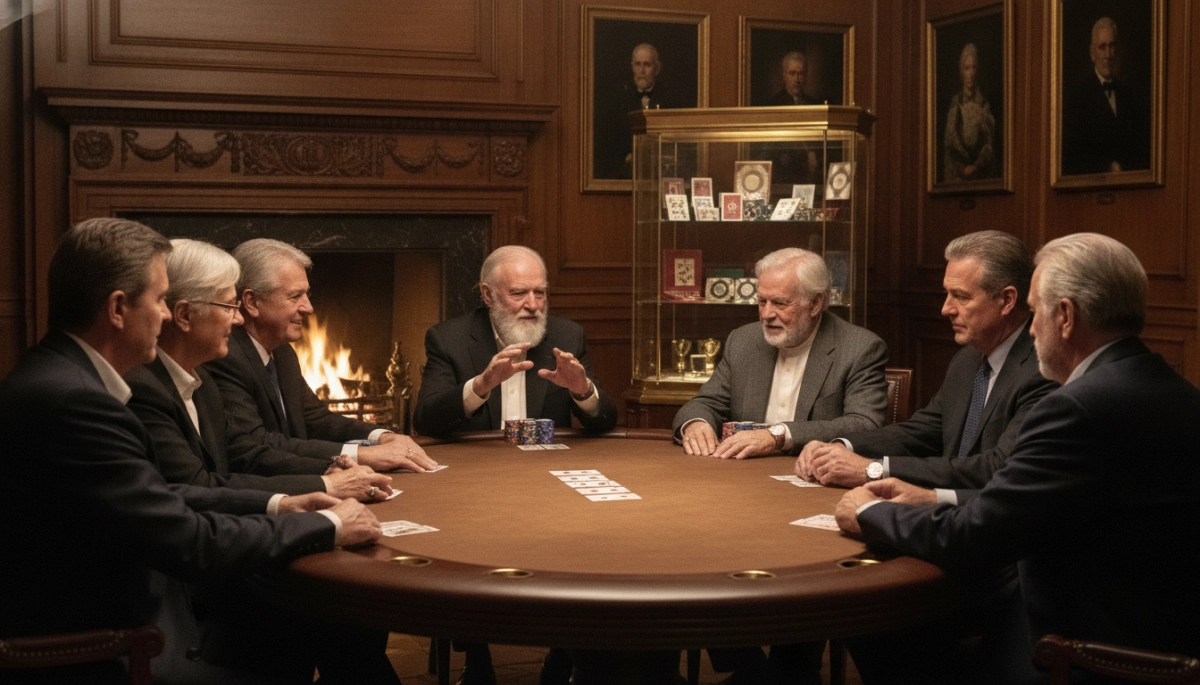
Why the Poker Hall of Fame matters to you as a fan or player
You follow big hands, memorable bluffs, and the drama of tournament poker — but the Poker Hall of Fame captures the people behind those moments. Founded to recognize the players and personalities who defined the game, the Hall of Fame turns individual careers into a narrative you can study and learn from. Knowing its history helps you see how strategy, etiquette, and the professional poker lifestyle evolved, and it shows the paths players took to earn lasting respect.
What the Hall recognizes and how that affects your view of the game
The Hall of Fame doesn’t celebrate only tournament winners. It honors two broad kinds of figures:
- Players who consistently competed against top competition and left a clear mark on the game.
- Non-players — organizers, promoters, writers, and others — whose contributions helped poker grow and professionalize.
When you study inductees, you can trace shifts in poker’s culture: from high-stakes cash games in smoky rooms to televised tournaments and online play. The selection criteria emphasize long-term impact, which means members’ stories often reveal the practical skills and personal choices that produced durable success.
How the Hall began and the early figures you should know
The Poker Hall of Fame was established to preserve the stories of poker’s most influential people, and its earliest classes were heavy on legends who bridged the 19th- and 20th-century gambling traditions with modern professional poker. When you look into these first inductees, you’ll find a mix of tournament champions, charismatic gamblers, and strategic innovators whose reputations became part of poker lore.
Key early tales that shaped modern poker thinking
Two archetypal figures you’ll encounter repeatedly are Johnny Moss and Nick “The Greek” Dandolos. Johnny Moss is often described as one of the foundational champions of organized poker; his longevity and tournament success made him a model for aspiring pros. Nick “The Greek” represents the romantic, high-stakes gambler — a larger-than-life personality whose matches and anecdotes contributed to poker’s mythos and public fascination.
These early inductees teach you several lessons: the importance of adaptability across formats, the role of reputation in attracting action, and how storytelling elevated poker figures into cultural icons. Their careers also highlight practical shifts — the move from informal, private games to more public, institutionalized competition — which changed how players prepared, marketed themselves, and treated poker as a profession.
As you prepare to dive deeper, you’ll next explore individual inductees from subsequent decades, their defining hands, and how modern figures joined the ranks — including the procedural changes that opened the Hall to new kinds of contributors.
Mid-century and modern legends whose hands entered poker lore
After the Hall’s early classes, the mid- and late-20th century produced personalities whose careers read like a sequence of cinematic hands. These inductees didn’t just win titles — they created signature moments that players and fans still reference at tables and in strategy conversations.
Doyle Brunson is a prime example: his back-to-back World Series of Poker Main Event wins and the famously repeated “10‑2” final-hand anecdote became shorthand for endurance, creativity, and the mythology that surrounds a storied career. Stu Ungar’s brilliance at the felt — his uncanny card-reading and overpowering tournament play — provides a counterpoint: a study in how natural talent and personal demons can both lift and break a champion. Johnny Chan’s string of Main Event success and the dramatic heads-up finishes that inspired filmmakers show how a single run can elevate a player into popular culture.
Moving into the modern tournament era, figures like Phil Hellmuth, Erik Seidel, and Daniel Negreanu represent different routes to the Hall: dominance at the tables, longevity across formats, and relentless adaptation. Hellmuth’s record-setting performances and unpredictable table persona teach lessons about maintaining a competitive edge while staying relentlessly visible; Seidel’s sustained excellence across decades is a model for strategic evolution; Negreanu’s ear-to-the-table reads and media savvy underscore the value of communication and personal branding in modern poker. For students of the game, studying these players’ defining hands — whether a crushing value-bet in a final table or a perfectly timed bluff — shows how the same core skills morph as tournament structures and player pools change.
The modern era: televised poker, online players, and changing admission standards
The boom in televised poker and the rise of online play changed not only who became famous but what the Hall looks for. Televised events turned previously obscure grinders into household names and created a larger-than-ever audience whose tastes began to shape narratives about greatness. Simultaneously, online poker produced a generation of players who honed volume-based tournament skills and introduced new strategic norms, forcing the Hall to reckon with nontraditional career paths.
Procedurally, the Hall of Fame evolved to reflect those shifts. Longstanding criteria — performance against top competition, longevity, and contributions to the game’s integrity — remained central, but nomination and selection processes adapted to be more inclusive of contributors from outside classic live-stakes circles. Public interest and media visibility started to matter more: a compelling public profile, consistent excellence across formats, and a demonstrable impact on poker culture increasingly influence voters. For fans and aspiring pros, that means the Hall celebrates a wider variety of success stories than it once did, and it’s instructive to watch how a player’s off-table presence (streaming, commentary, teaching) can complement achievements on the felt.
Non-player inductees who changed the game from behind the scenes
Not all Hall members won bracelets; some earned their spot by building the structures that allowed modern poker to flourish. Casino owners and promoters created the WSOP and provided the stages for greatness. Broadcasters, commentators, and writers translated the subtle drama of a hand into compelling television and prose, widening poker’s audience and crafting the narratives that turned players into icons.
Individuals like Mike Sexton — known widely as an ambassador of the game for his promotion and commentary — exemplify how service to poker can be as influential as tournament results. Owners and organizers who pushed for televised formats, standardized tournament rules, and safer, more professional settings helped transform poker from a parlor pursuit into a global industry. Recognizing these figures in the Hall reminds players that careers in poker aren’t only made at the table: they’re also built by people who design the venues, tell the stories, and create the economy of the game.
How to follow the Hall and get involved
- Watch induction ceremonies and related coverage during major poker events — these are the moments when the community honors its own.
- Read player interviews, memoirs, and hand histories to learn practical lessons from inductees’ careers.
- Stay informed about nominees and voting by checking official sources — for the latest details, visit the Poker Hall of Fame official page.
- Support the game off the felt: promote fair play, mentor newer players, and preserve poker’s history in your local community.
The Hall’s Next Chapter
The Poker Hall of Fame is more than a roster of names — it’s a living institution that captures how the game changes and who shapes that change. As formats shift, audiences grow, and new voices emerge, the Hall will keep reflecting poker’s evolving values: excellence, integrity, and service to the game. Whether you’re studying a legendary hand, cheering for a new inductee, or contributing in your own way, the Hall invites you to be part of poker’s ongoing story.