How position gives you control over bluffing opportunities
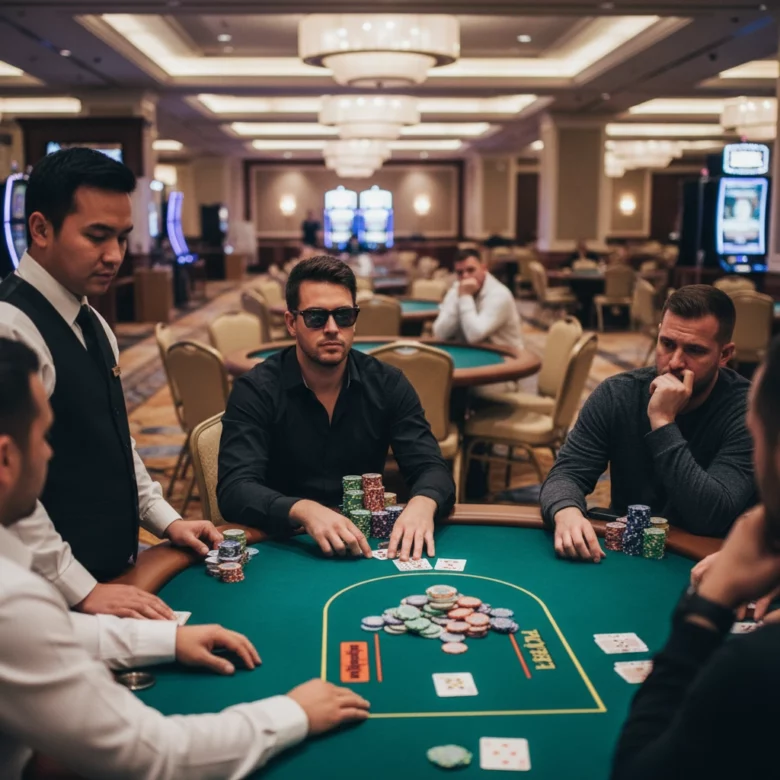
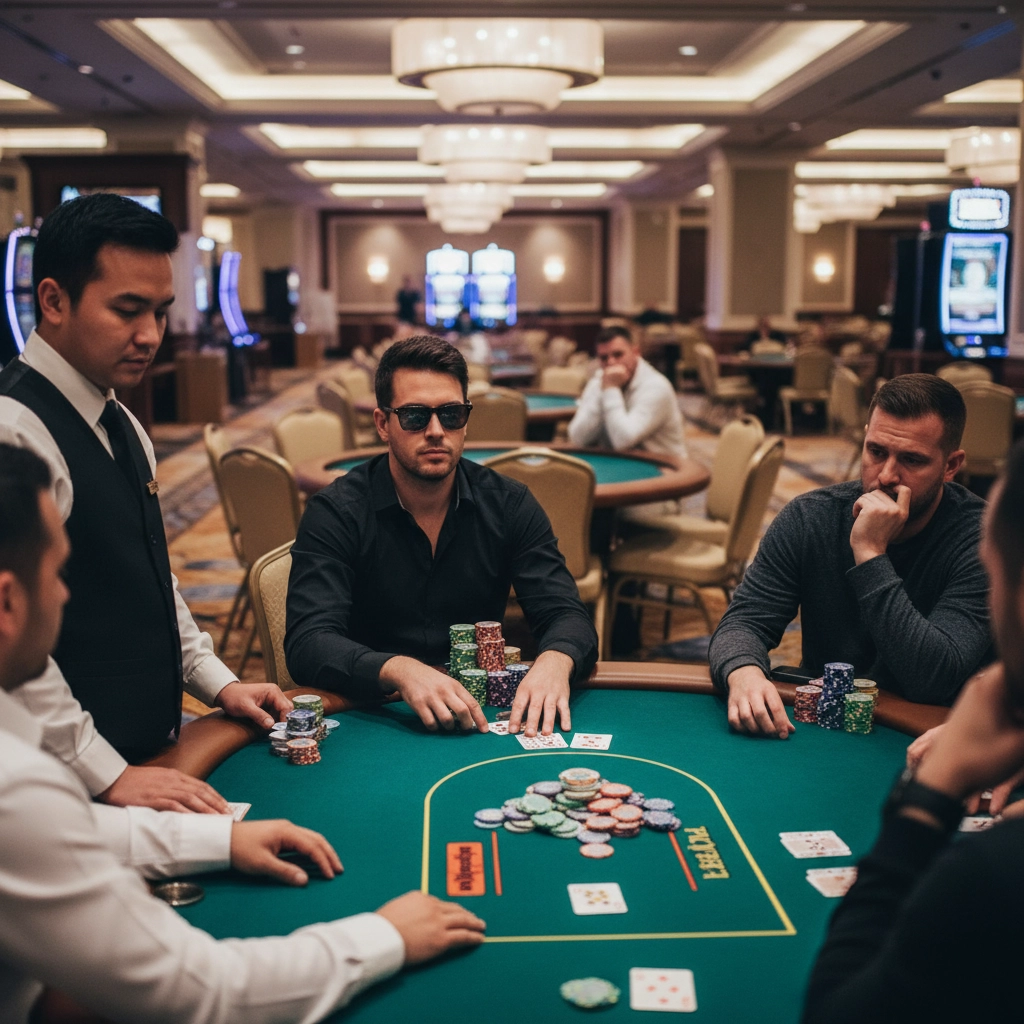
When you sit at the table, your seat relative to the dealer determines how often you act before or after opponents. That ordering—your position—affects the information you have and the pressure you can apply. In late position you see more actions before deciding, which makes your bluffs more credible and less risky. In early position you must be more selective, because opponents still to act can re-raise or call with a wider range.
You should treat position as a resource. Use it to:
- target single opponents more often when they are out of position
- apply pressure with well-timed continuation bets after representing strength
- mix in bluffs to make your strong hands harder to read
Acting last gives you the chance to size your bets based on previous actions, increasing fold equity without committing extra chips when a bluff is unlikely to succeed.
Choosing the right spots to bluff from late position
Late position is where most profitable bluffs come from. You can pick off weak opens, exploit tight players on the button, or attempt steals in heads-up pots. Look for these characteristics before bluffing:
- opponents who checked the turn frequently or show passivity
- boards that missed a preflop raiser’s likely calling range (dry flops)
- table dynamics where players tend to fold to aggression
If two players call before it’s your turn, be more cautious: more callers usually means someone has a piece of the board. Conversely, a single caller or an open from the cutoff with folds behind is a prime target for a late-position bluff.
How bet sizing shapes your perceived range and fold equity
Your bet size communicates information. Small bets and large bets convey different stories to observant opponents—use that to your advantage.
Think in terms of polarizing vs merging sizes:
- Smaller bets (about 25–35% of the pot): look like value or thin value on dry boards and often achieve folds from marginal hands. Use these when you want a higher frequency of bluffs without risking a huge pot.
- Larger bets (50–100%+ of the pot): indicate polarization—either very strong hands or bluffs with high fold equity. These are useful on scarier boards where a small bet won’t credibly represent strength.
Also factor in stack sizes. With deeper stacks, multi-street bluffs that escalate in size can be effective; with short stacks, your ability to bluff is limited because opponents are price-sensitive and pot-committed more quickly.
Combining position and bet sizing effectively means matching your story to the board and opponent tendencies. In the next section, you’ll see concrete bluffing lines and example hands that put these principles into practice.

Concrete multi-street bluffing lines: when to fire once, twice, or give up
Choosing how many streets to bluff depends on the board, SPR (stack-to-pot ratio), and your opponent’s tendencies. Decide your line when the action begins: are you representing a one-pair hand with a single continuation bet, or a made nut range that can credibly barreled twice?
- Single-barrel bluff (flop only): use on dry boards where the preflop raiser’s calling range missed—e.g., A♠ K♣ caller on 9♣ 3♥ 2♦. Bet around 25–35% of the pot to fold out gutters, weak pairs, and overcards.
- Double-barrel bluff (flop + turn): choose when the turn further favors your story (a blank or card that completes your polarizing line) and the opponent is capable of folding second pair. Start with a larger flop (35–50%) if you expect resistance, then size the turn to maintain pressure (50–75%).
- Give-up or shove: when the turn or number of opponents makes river bluffs implausible. If you encounter a raise or heavy call on the turn, consider folding unless you have strong blockers and pot-committing stack depth.
Use SPR as a guide. Low SPR (under 3) limits multi-street bluffs—opponents are prone to commit with top pair—so favor fewer, bolder moves. High SPR allows more nuanced bluffs with selective card removal and cautious sizing.
Example hands: applying position, blockers, and sizing in practice
Hand 1 — Late-position single-barrel bluff:
You’re on the button with Q♠9♠. UTG limps and a tight player in the cutoff opens to 3x; everyone folds to you and you call. Flop: K♦ 8♣ 3♠ (pot ≈ 9x). The preflop aggressor checks. This is a textbook spot for a late-position steal—board is dry relative to the raiser’s range and the aggressor showed weakness. Bet 30% of the pot. Why? The size looks like a continuation bet and buys the pot off overcards, flush draws aren’t numerous, and you preserve fold equity for the turn. If called, re-evaluate on a non-threatening turn; often you can muck to a check or small turn check-back.
Hand 2 — Multi-street bluff using blockers:
You’re on the button with A♦5♦ versus a CO open and one caller. You defend and the flop comes J♣ 9♦ 6♠ (pot ≈ 8x). CO c-bets half pot; you raise as a semi-bluff—a polarizing raise representing two pair+ or a strong ace. You have an ace-blocker to some nut hands (reduces likelihood opponent holds A9/AJ) and backdoor diamond equity. On a Q♠ turn (pot grows after action), your story of a straight or two-pair strengthens; size around 60% to polarize. If the opponent calls, the river blank (2♥) should be checked unless your read shows high fold frequency to larger bets—then a 70–100% pot-sized shove works to leverage fold equity and the blocker dynamics.
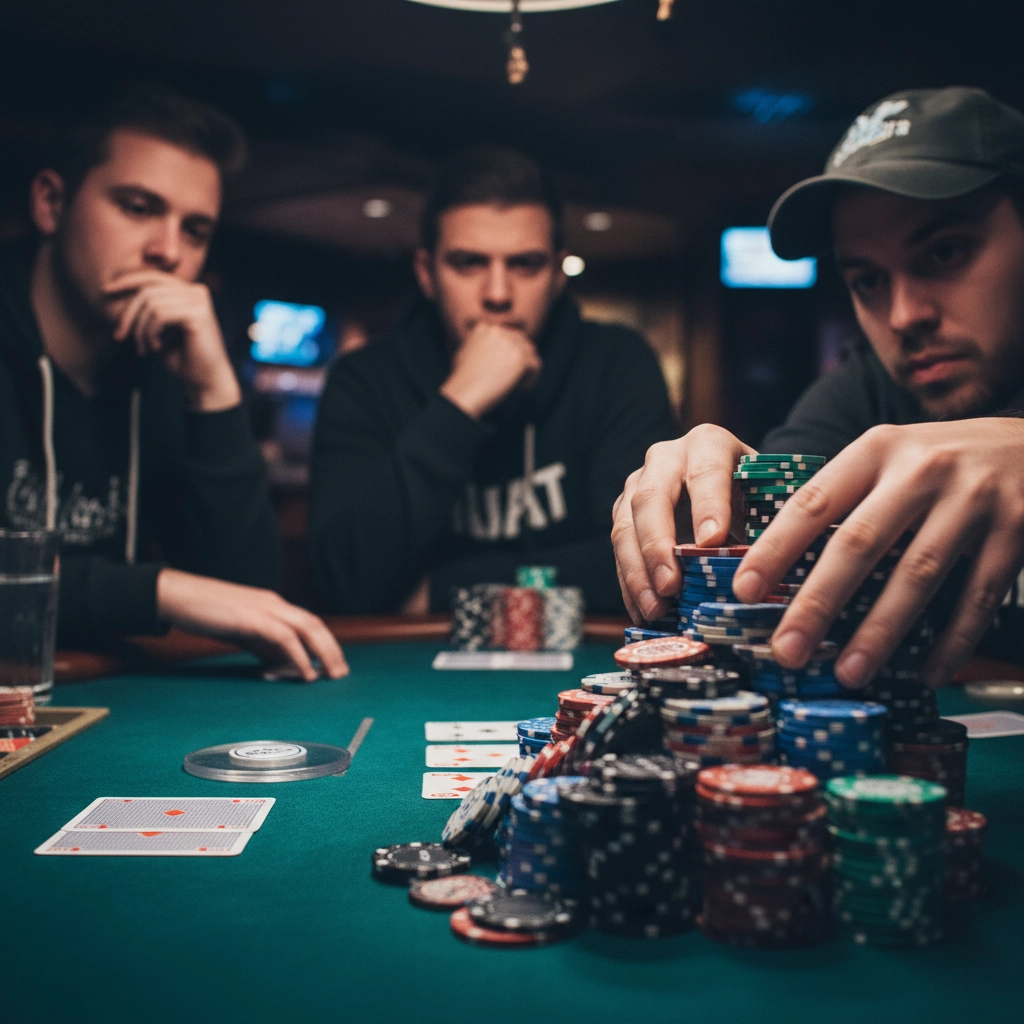
Adapting your bluffs to opponent archetypes
Not all players fold the same. Versus calling stations, reduce bluff frequency and favor thin-value hands. Against rocks (tight players who fold to aggression), increase bluff frequency and use larger sizes to make your story credible. Versus aggressive opponents who will raise as a bluff, size smaller to keep them honest or avoid bluffing marginally when they are in position to exploit you. In every case, let prior actions, stack depths, and board texture dictate both how often and how big you bluff.
Putting strategy into practice
Bluffing is a skill you sharpen at the tables and away from them. Build a routine that mixes focused session goals (e.g., practicing single-barrel steals from the button), hand-history review to spot missed opportunities, and targeted study of bet-sizing principles. Track how opponents react to different sizes and adjust your frequency accordingly; small, steady experiments will reveal which lines are profitable for your game. If you use solvers or training sites, compare your instincts to optimal lines and adapt where your reads and the math diverge.
Stay disciplined about table selection and tilt control—good bluffing spots depend as much on opponent tendencies as on position and sizing. For further structured lessons and drills, consider resources like Upswing Poker’s strategy guides to deepen your understanding of bet-sizing and multi-street dynamics.
Frequently Asked Questions
When should I avoid bluffing from early position?
Avoid bluffing from early position unless you have a very specific read or a polarizing line that the table will respect. Early position faces more players acting behind you, increasing the chance of a caller or raiser; unless stacks are shallow or you know opponents are folding often, it’s safer to limit bluffs there.
How does stack-to-pot ratio (SPR) change my bluffing approach?
SPR guides how many streets you can credibly represent. Low SPR (under ~3) favors fewer, larger bluffs because opponents are more likely to commit; high SPR allows for multi-street, nuanced bluffs that rely on blockers and incremental sizing. Always size with SPR in mind to avoid being pot-committed with a weak story.
What role do blockers play when planning a river shove as a bluff?
Blockers reduce the number of combinations an opponent can have of hands that beat your bluff. Holding cards that block likely calling hands (e.g., an ace when opponents often call with top pair) increases the success rate of large river bluffs and can justify more polarized shove lines when other factors (position, prior action) also favor a fold.