
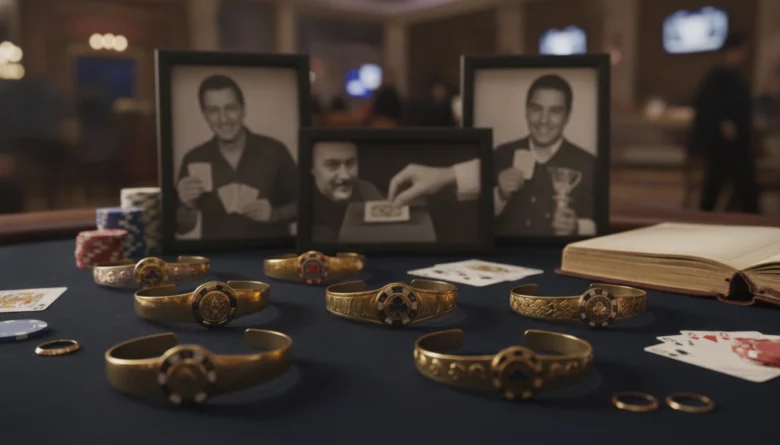
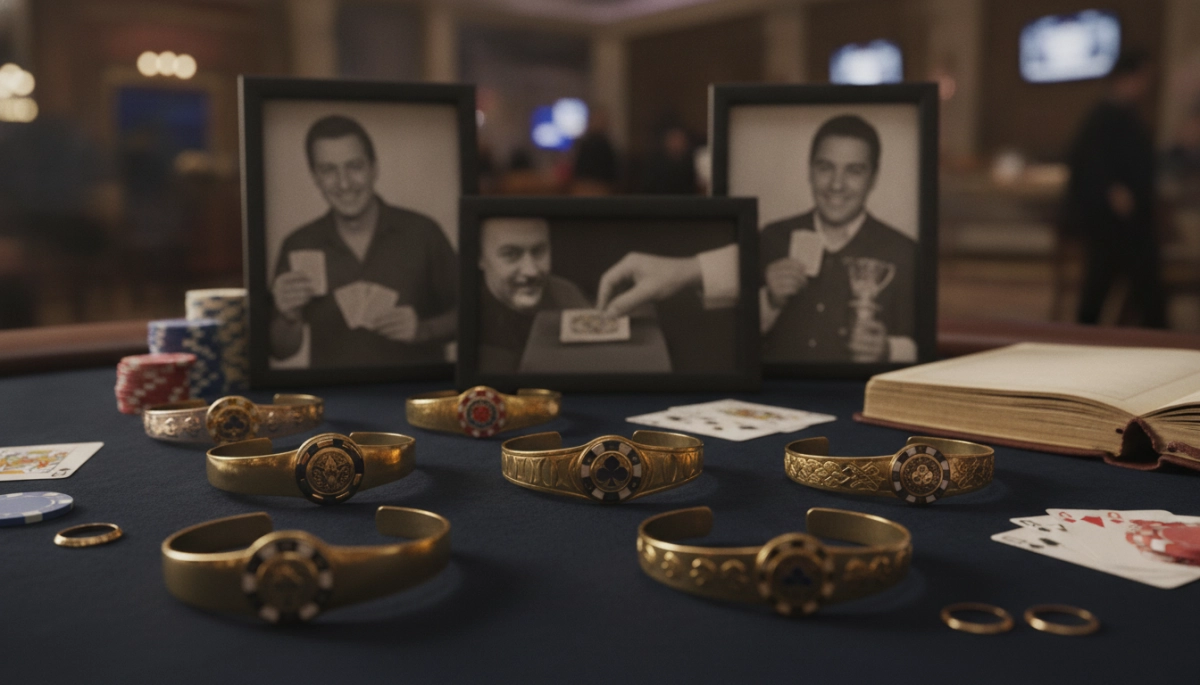
Why the WSOP bracelet became the trophy every poker player wants
When you follow poker, you quickly learn that a World Series of Poker (WSOP) bracelet is more than jewelry — it’s a career-defining emblem. You’ll see bracelets elevate unknown grinders to celebrity status, alter a player’s earning potential, and cement legacies that last decades. This section explains why that small piece of metal carries so much weight and how it came to symbolize excellence in poker.
The WSOP started as a small gathering of top players in Las Vegas and evolved into the world’s largest series of poker tournaments. Over the years, the bracelet emerged as the recognizable marker of a champion. For you, as a fan or aspiring player, understanding the bracelet’s prestige helps you appreciate the stories behind every name on the champions list — not just the prize money, but the strategic mastery, endurance, and moments of fortune required to win.
How the early champions set the tone for modern WSOP winners
The earliest WSOP winners laid down the cultural and competitive groundwork for decades of champions that followed. The first Main Event winner became a symbol of the series’ origins in Las Vegas’ Horseshoe poker room, and subsequent champions built narratives that blended fearless play with personalities that brought poker into the public eye.
Key characteristics of early champions you should recognize
- Versatility: Early winners often excelled across games — stud, draw, and later Texas hold’em — showing that adaptability mattered as event formats evolved.
- Endurance: Long hours and small-field, high-stakes formats favored players who could maintain focus over many days.
- Ambassadorship: Several early champions — known for charisma or a distinctive table style — helped popularize poker through media appearances and books.
These traits influenced how later champions approached tournaments: you’d see a shift from purely technical skill to a blend of psychological advantage and stamina. For you, this means every name on the champions list isn’t just a winner — they’re a case study in how poker rewards a specific mix of skill sets.
Notable early figures who shaped expectations for champions
- Johnny Moss — Remembered as one of the first Main Event winners and a foundational figure who helped legitimize the early WSOP gatherings.
- Doyle Brunson — A player whose longevity and influence on strategy made his victories part of poker lore.
- Amarillo Slim — An outspoken personality who helped bring mainstream attention to tournament poker through media and storytelling.
These pioneers created benchmarks: the way they won, the hands they played, and their public personas informed the stories you’ll read for every subsequent bracelet winner. In the next section, you’ll get a chronological tour through the WSOP champions list, beginning with the 1970s and tracing how each era introduced new faces, formats, and unforgettable moments that shaped modern poker.
1970s–1980s: The era of legends and defining hands
The 1970s and 1980s turned the WSOP from a regional gathering into a proving ground for players whose names still echo through poker rooms today. This was when the bracelet started to mean lore as much as victory: a handful of repeat champions and dramatic heads-up battles created the kind of stories that get retold around felt tables. You saw the emergence of players who combined technical skill with a hardened tournament temperament — people who could thrive across stud, draw, and the rising dominance of Texas hold’em.
What mattered then was different from what matters now. Fields were smaller, so reputation and experience carried enormous weight. Champions from this period — the back-to-back winners and the multi-event grinders — set tactical blueprints: aggressive table talk, spot-on hand-reading, and the stamina to grind through long days. Their bracelets told a story of durability and adaptation in an era when poker strategy was still being written in real time.
This era also produced the hands and moments that shaped poker mythology. Whether it was a gutsy river call or a marathon heads-up confrontation, those decisive spots built the aura around the WSOP and influenced how later generations prepared mentally and strategically for high-stakes tournaments.
1990s: Professionalization, televised drama, and broader appeal
By the 1990s the WSOP was evolving into a more professional ecosystem. Televised coverage — albeit limited compared with later years — began to put faces and narratives in front of a wider audience. Tournaments attracted more career pros who treated the bracelet as a career milestone rather than a one-off payday. You also saw the early signs of international influence: players from outside Las Vegas and the U.S. started making deeper runs and claiming titles, nudging the WSOP toward global relevance.
Strategically, the decade saw more disciplined approaches to tournament poker. Players experimented with position play, exploitative tactics, and more sophisticated late-stage shove/fold decisions. For you watching replays or reading strategy articles, this era is where you’ll notice the transition from instinct-driven play to frameworks that could be taught and studied — a precursor to the modern poker-school era.
2000s and beyond: The boom, the satellite miracle, and diversified champions
The 2000s changed everything. A single satellite qualifier story — an amateur turning a small online buy-in into a Main Event bracelet — convinced millions that the WSOP was accessible. Fields exploded, prize pools ballooned, and the number of bracelet events multiplied to include a wider array of variants and buy-ins. The result: more champions, more nationalities, and a broader set of poker archetypes. You started to see online qualifiers rubbing shoulders with seasoned pros, young internet-savvy players bringing new analytic tools, and veteran legends still carving out wins with experience.
Bracelets themselves diversified in meaning. Winning a Main Event still carried unmatched prestige, but claiming a bracelet in a niche format or navigating massive modern fields earned immediate respect too. For you as a fan, this era produced a richer champions list — packed with unexpected stories, rapid strategic evolution (from exploitative play to early GTO thinking), and a reminder that the bracelet remains a badge earned through very different battles depending on the year and event.
The bracelet’s future: tradition meeting innovation
The WSOP bracelet will continue to function as both a talisman and a living tradition — an object rooted in decades of storytelling but one that adapts as the game evolves. Expect new formats, younger champions shaped by online study and solver-driven strategy, and more international voices adding chapters to the bracelet’s history. What doesn’t change is the human element: every winner brings a personal narrative of risk, resilience, and timing that keeps fans invested year after year.
How to follow the next generation of champions
- Watch live streams and final-table coverage to witness defining moments in real time.
- Read interviews and first-person accounts to understand the mindset behind a win.
- Track event schedules, results, and player bios on the Official WSOP site to see how the champions list grows and diversifies.
- Study notable hands and strategic shifts to appreciate how each bracelet reflects the era in which it was won.
Whether you’re a casual fan, a hopeful qualifier, or a long-time student of the game, the story of every bracelet winner is both a moment to celebrate and a lesson in poker’s ongoing evolution. Keep watching — the next unforgettable chapter may already be in play.