

When a Bluff Is a Tactical Tool, Not a Shortcut
Bluffing is one of the most misunderstood skills in poker. You might think it’s all about daring bets and wild stories, but successful bluffing is a controlled tactic you use to exploit opponents, table dynamics, and timing. As you learn to bluff, you’ll shift from random aggression to targeted pressure that forces better players into mistakes and wins pots you otherwise couldn’t.
You don’t need to bluff every hand. Instead, focus on specific situations when a bluff increases your long-term expected value. That means considering your opponents’ tendencies, your position, the size of the pot, and the story your betting tells. In practice, bluffing is as much about what you represent as it is about what you hold.
Core Principles That Make a Bluff Work
Read the Table and Pick Your Targets
Not every player is worth bluffing. Tight players who fold too often are prime candidates, while calling stations who rarely fold will punish your bluffs. Pay attention to who is risk-averse, who overvalues medium hands, and who reacts predictably to aggression. When you identify a fold-prone opponent in a pot you can credibly represent a strong hand, you have a reasonable bluffing opportunity.
Leverage Position and Betting Patterns
Your seat relative to the dealer changes bluff equity. When you act last, you can shape your line based on opponents’ actions and are better able to tell a convincing story. Consistent betting patterns also matter: if you suddenly change tempo or bet sizing without a coherent narrative, observant players will sniff out your play. Use position to control the size of the pot and to pressure opponents when their decision becomes harder.
Size Your Bets to Tell a Story
Bet sizing communicates intent. Small, timid bets rarely represent absolute strength; very large bets often polarize your range to either a monster or a complete bluff. Choose bet sizes that match the hand you are representing. For instance, if you’re trying to sell the idea of a made hand, your sizing should be consistent with previous strong hands you’ve shown on similar streets.
Account for Pot Odds and Fold Equity
Even the best bluff will fail against correct odds. Consider whether opponents are getting the price to chase draws; if calling gives them positive expected value, bluffing is less effective. Your decision should weigh the chance they fold (fold equity) against the likelihood of being called and losing a larger pot. Use simple math in tandem with reads to keep bluffs profitable.
- Choose the right target: fold-prone players increase bluff value.
- Use position to control narrative and pot size.
- Keep bet sizes consistent with the story you want to tell.
- Respect pot odds and only bluff when fold equity is meaningful.
With these foundations in place, you’ll be ready to apply specific bluffing strategies—timing, semi-bluffs, double-barrels, and more—which we’ll break down in the next section so you can start using them in real hands.
Semi-Bluffs and Multi-Street Pressure: Building a Credible Story
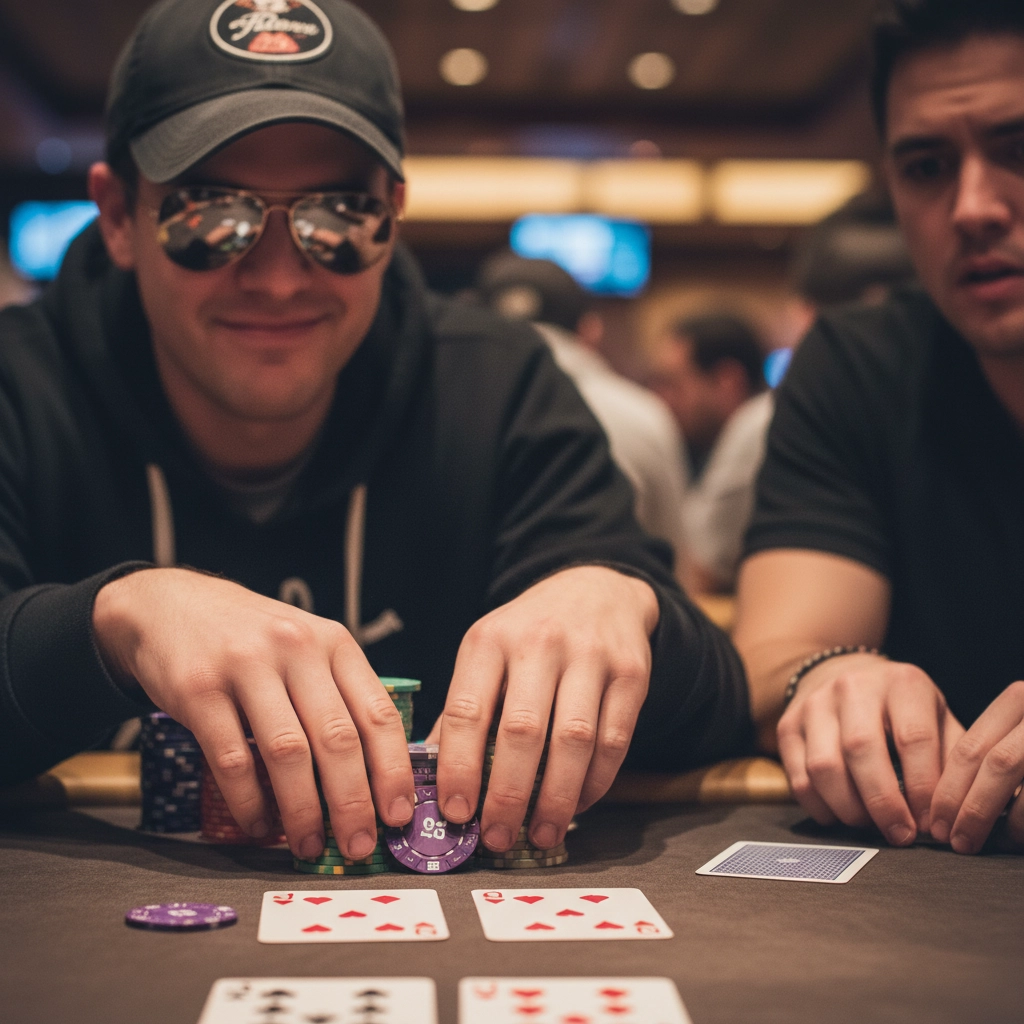
Not all bluffs are pure air; the most profitable are semi-bluffs — bets with some equity that can improve if called. Semi-bluffing on the flop with draws (flush draws, open-ended straights) gives you two ways to win: opponents fold to your aggression, or you hit your draw and win at showdown. Playing these hands aggressively also helps you represent strength on later streets if the board develops favorably.
Multi-street pressure (double- and triple-barreling) is about consistency. If you c-bet the flop to represent a strong range, follow up on the turn with a sizing that lines up with how you’ve played real made hands. A common, effective line is:
- Flop: c-bet around 40–60% of the pot to apply pressure and leave room for turn options.
- Turn: continue at 50–80% if the card doesn’t help your perceived range and opponent shows weakness.
- River: decide based on blockers and pot odds whether a large polarized bet (70–100% pot) sells a missed draw or a thin value hand.
Remember: each barrel must advance the narrative. Randomly firing turns without a coherent story looks like desperation. Choose your multi-street bluffs when your perceived range on earlier streets matches what you’re representing later — for example, solo high cards that could realistically improve to straights or sets in your story.
Advanced Tools: Blockers, Squeezes, and Timing
Blockers are one of the most underused concepts by amateur players. A blocker is a card in your hand that reduces the combinations of the nuts (or a strong hand) available to opponents. For instance, holding the ace of spades on a spade-heavy board makes it less likely an opponent holds the nut flush. That single card can dramatically increase your bluff’s credibility on the river. Use blockers to justify larger, polarized river bets — they lower the required fold frequency for your bluff to be profitable.
Use this simple math before river-bluffing: break-even fold frequency = bet / (pot + bet). If the pot is $100 and you bet $50, opponents must fold 33% of the time for the bluff to break even. Combine that number with your read (and blocker information) to make the call.
The squeeze play is a preflop bluffing tool: re-raise (3-bet) after a late-position raise and several callers. It exploits the fact that the raiser often has a wide range and the callers tend to fold to aggressive pressure. Size your squeeze large enough (3–4x the original raise plus an extra per limper) to create maximum fold equity while preserving a reasonable stack-to-pot ratio postflop.
Finally, timing and table image matter. Don’t launch a river bluff immediately after a long thinking tank or a sudden pattern change — that looks like a telegraphed decision. Conversely, a well-timed bluff when your image is tight and your prior lines are consistent will get more respect. Mix in occasional successful bluffs with strong hands to keep opponents guessing and prevent them from auto-folding whenever you show aggression.
When to Fold a Bluff and Preserve Your Table Image
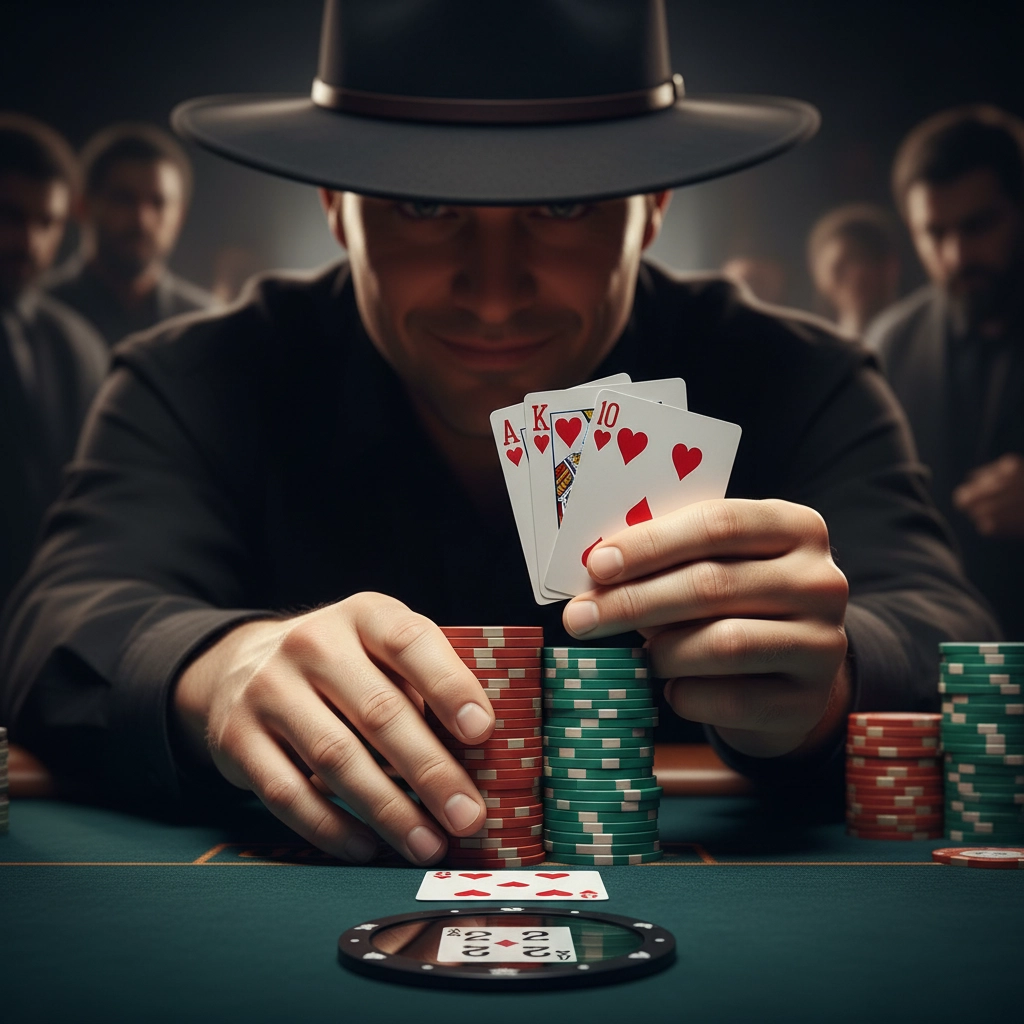
Even the best bluff can be costlier than letting a hand go. If an opponent re-raises, shows unusual confidence, or the board completes obvious draws, be willing to abandon your story. Folding preserves your stack and your future bluffing credibility — players are likelier to fold to you again if they respect your choices. In short: pick your spots, maintain coherent lines, and know when to let the narrative die gracefully.
Putting Bluffing into Practice
Bluffing is a skill you layer onto the rest of your game, not a shortcut to winning. Work on it deliberately: pick a few specific situations to practice (semi-bluffs with strong draws, squeezes in late position, and polarized river bluffs with good blockers), review your hands, and adjust based on real results. Start at low stakes where mistakes are cheap, and gradually move up as your read accuracy and timing improve.
Use simple routines to accelerate learning: log hands that involved bluffs, note opponent types and outcomes, and look for patterns in when your bluffs succeeded or failed. Balance study (hand histories, short solver-guides) with live practice so you learn both the theory and the feel. For curated drills and deeper study material, see Advanced poker strategy resources.
Finally, be patient and disciplined. Preserve your stack by folding when the story no longer fits, and protect your table image by choosing high-quality spots. Over time, selective, well-timed bluffs will become a reliable part of your profit plan.
Frequently Asked Questions
How do I identify the best opponents to bluff?
Target players who fold too often to aggression—tight or risk-averse opponents—and avoid calling stations who rarely fold. Look for behavioral cues (quick folds to large bets, passivity after raises), stack sizes that make folding likely, and table dynamics that support your story. Position and recent actions in the hand also matter.
What bet sizes should I use when bluffing across multiple streets?
Match your sizing to the narrative: common guidelines are 40–60% pot on the flop, 50–80% on the turn when continuing, and 70–100% on the river for polarized bluffs (adjust for pot size and blockers). Always check break-even fold frequency (bet / (pot + bet)) and use blockers to justify larger polarized river bets.
How often should I bluff to stay unpredictable but profitable?
There’s no fixed percentage—bluff frequency should depend on opponents, position, and fold equity. Bluff selectively: more often against fold-prone players and in position, much less against sticky callers. Aim to be balanced overall so your table image stays credible; quality over quantity wins in the long run.