

Why measuring win rate by hour and session can boost your ROI You can increase return on investment (ROI) not just by changing strategy, but by changing when you trade. A win rate calculator that breaks results down hourly and by session (e.g., morning, afternoon, overnight) reveals patterns that total win-rate numbers hide. When you …

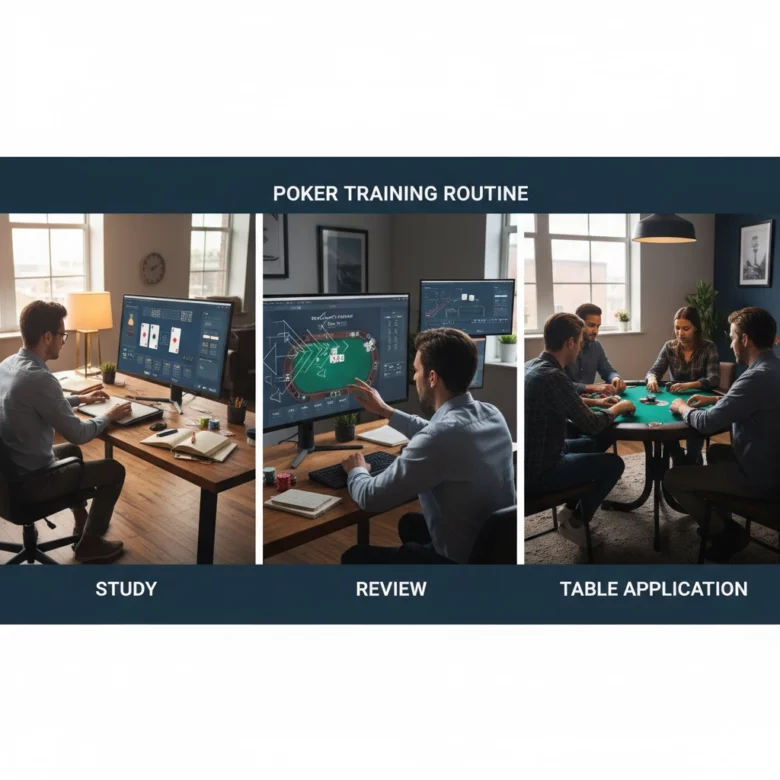
Build a Daily Poker Training Routine That Produces Results You want steady improvement, not occasional breakthroughs. A routine turns effort into measurable progress by forcing consistent exposure to theory, deliberate review of your own decisions, and frequent real-table practice. Treat your poker training like any high-performance skill: you plan sessions, set small goals, measure outcomes, …
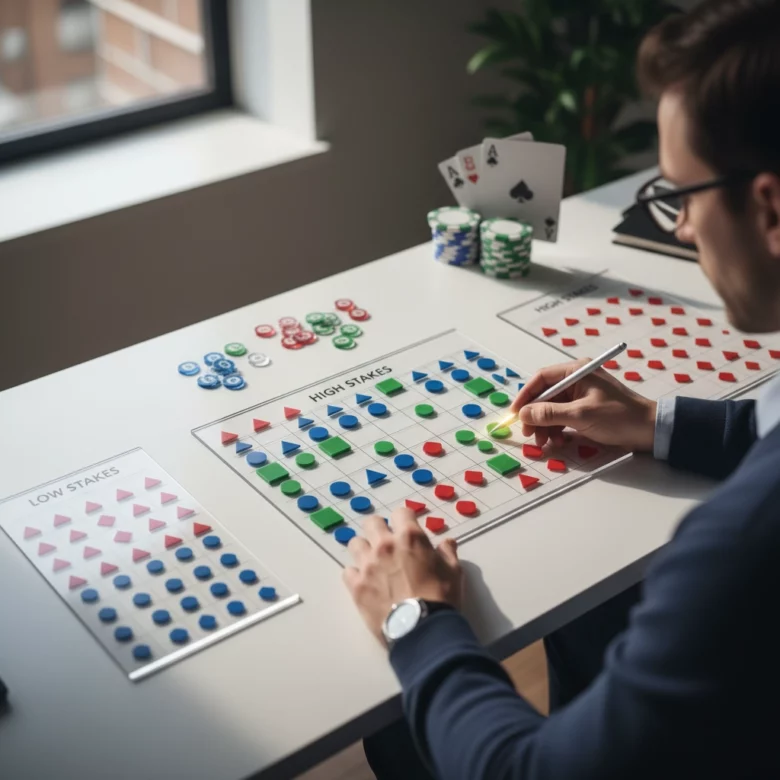
When and why a starting hand chart matters at your stake level You probably know the pain of folding too much or calling way too often. A starting hand chart gives you a baseline decision framework so you can play more consistently and make fewer costly mistakes. At micro and low stakes, charts help you …

Why a 15-minute daily habit beats occasional marathon sessions You already know that steady practice is how skill improves, but busy schedules make long study blocks unrealistic. Fifteen minutes every day, if structured well, produces better retention and clearer decision-making than sporadic multi-hour sessions. Short, consistent practice leverages spaced repetition, keeps concepts fresh before you …

Why understanding variance is essential for your poker survival When you play poker, skill and strategy determine your edge, but variance determines how often you’ll see that edge reflected in your results. If you don’t grasp how variance works, you can mistake normal swings for leaks in your game, make poor staking decisions, or tilt …

Why building a daily poker study routine accelerates your improvement You probably know that practicing hands at the table is necessary, but practice without structure is slow and uneven. When you give your study time a predictable shape and track what you do, you turn vague effort into repeatable progress. A daily routine reduces decision …

Why your showdown win percentage is a crucial postflop metric Your showdown win percentage (SD Win %) measures how often you win the pot when a hand goes to showdown. It’s one of the clearest signals of whether your postflop choices — calling, betting, folding, and bluffing — are producing value. Understanding this number helps …

Why disciplined bankroll management separates consistent winners from impulsive losers You can be a skilled bettor or gambler and still lose money without proper bankroll management. The difference between short-term luck and long-term success is how you size bets, control risk, and respond to losing stretches. Good bankroll management protects you from ruin, reduces emotional …

Why learning to bluff will improve your overall poker game Bluffing isn’t an act of desperation — it’s a calculated weapon in your poker toolkit. When you understand when and how to bluff, you add leverage to strong hands, steal uncontested pots, and keep opponents guessing. You play fewer hands but win more pots, because …

Why instant equity matters when you make poker decisions When you play poker, every bet is a decision under uncertainty. A free poker odds calculator turns that uncertainty into actionable numbers by estimating your equity—the share of the pot you expect to win against an opponent’s range. Knowing instant equity helps you decide whether to …